It's imperative to follow a weight-loss diet that balances macronutrients, supports menstrual and metabolic hormones, and suits your daily routine; this guide gives evidence-based meal patterns, nutrient targets, and timing strategies to stabilize insulin, protect thyroid function, preserve lean mass, and help you achieve sustainable results.
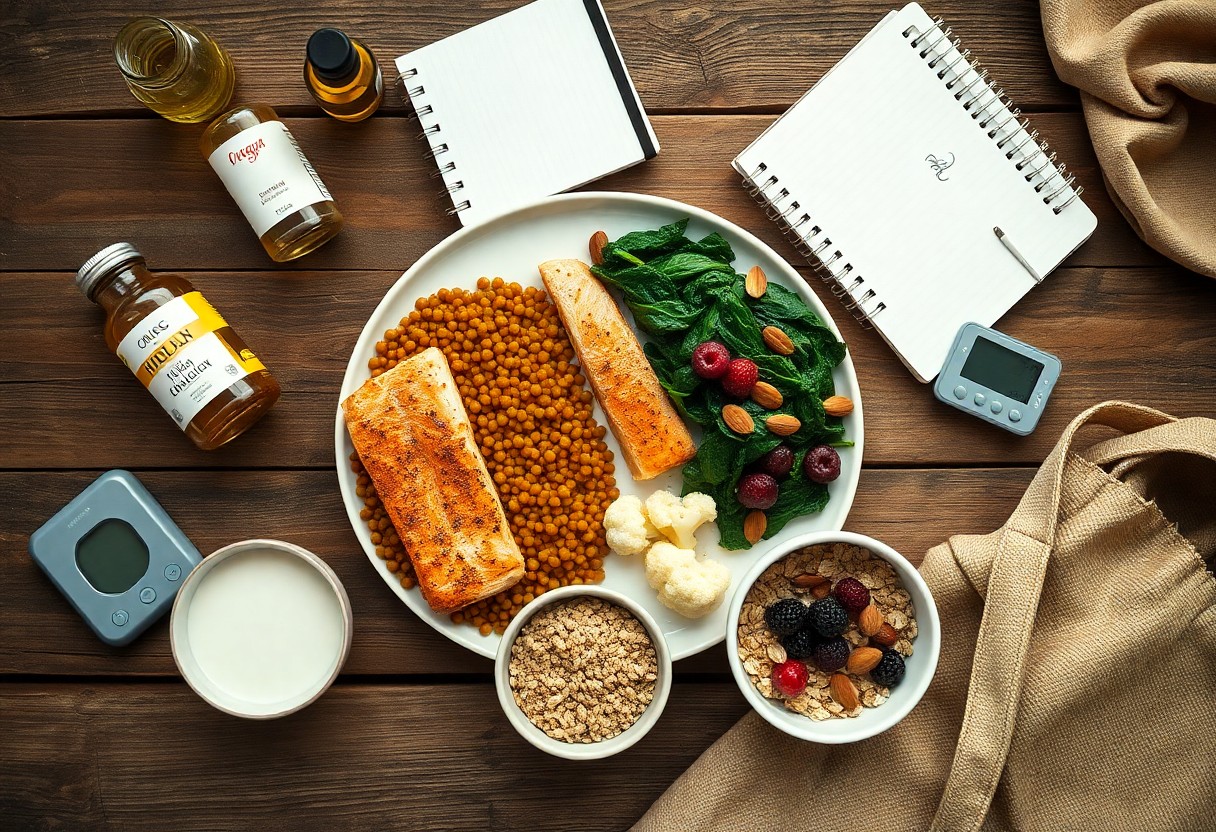
Key Takeaways:
- Prioritize a balanced plate with adequate protein, healthy fats (omega‑3s, monounsaturated), and high‑fiber, low‑glycemic carbohydrates to stabilize blood sugar and support appetite- and sex-hormone balance.
- Aim for a modest, sustainable calorie deficit (small weekly weight loss) using whole foods and consistent meal timing to avoid metabolic slowdown and maintain hormonal health.
- Support diet with key micronutrients (iron, vitamin D, magnesium), resistance training, sufficient sleep, and stress management to preserve lean mass and promote long-term results.

Understanding Hormonal Imbalance
Hormonal imbalances shift appetite, energy and fat distribution - insulin drives fat storage after high‑carb meals, cortisol pushes visceral fat during chronic stress, and low thyroid hormones slow basal metabolic rate. You may hit plateaus despite calorie cuts; about 1 in 8 women will develop a thyroid disorder and PCOS affects roughly 6-12% of reproductive‑aged women, so these biochemical drivers are common contributors to stalled weight loss.
The Role of Hormones in Weight Management
Insulin, cortisol, estrogen and thyroid hormones each alter how you store and burn calories: insulin promotes lipogenesis and blocks lipolysis after meals, cortisol increases appetite and central fat storage under chronic stress, estrogen guides fat distribution and the metabolic response to exercise, while hypothyroidism lowers resting energy expenditure. You can use targeted strategies-timing carbs, managing stress, strength training-to counteract specific hormonal effects.
Common Hormonal Issues in Women
PCOS, hypothyroidism, perimenopausal estrogen decline, insulin resistance and chronic cortisol elevation are frequent. PCOS affects about 6-12% of reproductive‑aged women, insulin resistance underlies metabolic syndrome in roughly one‑third of U.S. adults, and about 1 in 8 women will experience a thyroid disorder in her lifetime. You should watch for irregular cycles, persistent fatigue, unexplained weight gain or hair changes.
When you suspect a hormone problem, specific labs matter: order TSH and free T4 for thyroid, fasting insulin and HbA1c for insulin resistance, total/free testosterone and DHEA‑S for PCOS, and morning cortisol if Cushing’s is a concern. Treatment pairs targeted meds-levothyroxine, metformin, or hormonal contraceptives-with diet tweaks (aim for ~25-30 g protein per meal, ≥25 g fiber/day), 2-3 weekly resistance sessions, 7-9 hours sleep and stress reduction; even a 5-10% weight loss improves cycles and metabolic markers.
Key Principles of a Sustainable Diet Plan
Maintain a modest calorie deficit (about 300-500 kcal/day) while prioritizing protein and fiber to protect your lean mass and satiety. Favor whole foods, consistent meal timing, and at least 150 minutes of moderate exercise per week plus two resistance sessions to support hormones and metabolic rate. Include adequate sleep (7-9 hours) and manage stress with brief mindfulness or breathing practices, since cortisol influences appetite and fat distribution.
Nutrient-Dense Foods
Fill your plate with vegetables, legumes, whole grains, lean proteins, nuts, seeds and low‑fat dairy; each meal should include a palm-sized protein portion (20-30 g) and a fist of vegetables. Aim for about 25 g fiber/day and iron-rich choices like spinach, lentils, or lean beef when needed. Prioritize vitamin D sources-fatty fish or fortified dairy-or test and supplement if your levels are low.
Balancing Macronutrients
Target protein at 1.2-1.6 g/kg body weight daily (roughly 20-30% of calories) to support your muscle and hormonal health, allot 25-35% of calories to fats-emphasizing omega‑3s from salmon, flax or walnuts-and let carbohydrates make up the remainder, favoring whole grains and starchy vegetables. Adjust portions gradually to maintain energy, stable blood sugar and regular menstrual cycles.
Aim for 20-30 g protein at each meal and a 10-15 g protein snack to hit your daily targets; for a 60 kg woman that’s about 72-96 g/day. Example day: ¾ cup Greek yogurt with ½ cup berries (~20 g), 4 oz chicken + ½ cup quinoa + veggies (~30 g), 4-5 oz salmon + sweet potato (~25-30 g), plus a 1 oz nut-and-seed snack. Space protein evenly and track energy, cravings and cycle changes when you tweak macros.
Effective Weight Loss Strategies
You should aim for a moderate calorie deficit of about 300-500 kcal/day to lose roughly 0.5-1 lb per week while protecting hormones; prioritize 20-30 g protein per meal, 25-30 g fiber daily, and healthy fats (20-35% of calories) to stabilize blood sugar and appetite. Use structured programs when needed - for example, consider the Weight Loss Program for Women | The Mayo Clinic Diet for tailored guidance and tracking tools.
Portion Control and Mindful Eating
You can use simple portion cues: a palm-sized serving of protein (~20-30 g), a fist of vegetables, a cupped hand of starch (about ½-1 cup), and a thumb of fats (~1 tbsp). Eat slowly for at least 20 minutes, put utensils down between bites, and keep a 2-week photo or app diary to spot portions that creep up; studies show mindful eating reduces intake and improves satiety signals.
Incorporating Physical Activity
You should target 150-300 minutes of moderate aerobic activity weekly (brisk walking, cycling) or 75-150 minutes of vigorous exercise, plus 2 resistance sessions per week to preserve lean mass. Strength work helps maintain resting metabolic rate and supports fat loss; aim for progressive overload rather than endless cardio to protect your hormones and muscle.
For programming, try 3 resistance sessions of 30-40 minutes with compound moves (squats, deadlifts, rows) at 3 sets of 8-12 reps and 1-2 HIIT sessions of 10-20 minutes per week. If you track steps, a goal of ~8,000-10,000 steps/day complements formal workouts; adjust intensity around your menstrual cycle or stress levels, increasing recovery when energy dips.
Meal Planning for Hormonal Health
When you plan meals, focus on protein, fiber, and healthy fats to stabilize blood sugar and support estrogen and cortisol balance. You should aim for 25-30 g protein, 3-5 servings of non-starchy vegetables, and 1-2 servings of healthy fats per meal. Use a rotating 7-day template with one higher-carb day around intense training and two lower-carb days to match energy and menstrual-cycle phases.
Sample Meal Plans
Use these templates you can swap: Day 1 (follicular) - Greek yogurt (30 g protein) with 1/3 cup oats and berries; lunch grilled salmon 4 oz, 1/2 cup quinoa, mixed greens; dinner roasted chicken 5 oz, broccoli, 3 oz sweet potato. Day 2 (luteal) - omelet with two eggs, spinach, avocado; lentil salad (1 cup lentils) for lunch; lean beef stir-fry with cruciferous veg for dinner. Swap snacks to hit 15-25 g protein.
Preparing Hormone-Friendly Snacks
When you prep snacks, combine protein and fiber to blunt glucose swings: Greek yogurt with 1 tbsp chia, 3 tbsp hummus with carrot sticks, or two hard-boiled eggs with cucumber. Aim for 15-25 g protein and roughly 150-250 kcal per snack. Pre-portion into 4-6 containers for the week and label with dates so you track freshness.
Try mason jars for layered snacks-yogurt, berries, and granola separated so textures stay fresh; keep dressing at the bottom for salads. You can freeze banana slices for smoothies, roast chickpeas with 1 tbsp olive oil and spices for a 3-5 day crunchy option, and choose bars with ≥10 g protein and ≤8 g sugar when you're on the go.
The Importance of Hydration
Hydration directly supports hormone transport, kidney clearance, and metabolic processes that influence weight and energy; even a 1-2% drop in body water can reduce cognitive and physical performance. Increasing plain water intake also helps you cut liquid calories from sugary drinks and supports appetite control. For an evidence-based approach to pairing diet with hormonal balance, see The Best Diet for Hormone Balance: Everything You Need ....
Effects of Water on Metabolism
Water is required for lipolysis and cellular energy reactions, and drinking 500 mL can raise your resting metabolic rate by roughly 24-30% for 30-40 minutes; that thermogenic effect adds up when you hydrate regularly. You’ll also improve glucose handling and reduce perceived exertion during workouts, so staying hydrated helps both baseline calorie burn and exercise performance.
Recommended Daily Intake
General guidance from major health bodies sets total water intake for women at about 2.7 L (≈91 oz) per day, including fluids from food; adjust upward for exercise, heat, pregnancy (+300 mL) or breastfeeding (+700 mL). Aim to spread intake across the day rather than concentrating fluids at one time to support steady metabolic and hormonal function.
Practical strategies make that target achievable: drink ~250-500 mL on waking, 250 mL before meals, and sip during workouts, plus include high-water foods (watermelon ~92% water, cucumbers ~96%). If you sweat heavily, add electrolytes or a sports drink to replace sodium and maintain fluid balance; caffeine and tea count toward total fluid but monitor diuretic effects if you’re sensitive.
Monitoring Progress and Adjustments
You should track weight, body measurements, symptom patterns, and lab values weekly to see how the plan affects your hormones; use a menstrual-cycle calendar and symptom diary to spot trends. If you want practical food swaps, consult Tips for a hormone-balancing diet: Top foods that help manage estrogen and insulin and adjust macros based on what the data shows.
Tracking Hormonal Changes
You can monitor hormones with blood panels (estradiol, progesterone mid-luteal, FSH, LH, TSH, free T4, fasting insulin) every 3-6 months, complementing labs with basal body temperature, cycle-app tracking, and a symptom log scoring sleep, mood, energy, and menstrual regularity to correlate diet changes with hormonal responses.
Adapting the Diet Plan Over Time
If progress stalls for 4-6 weeks, reduce intake by 100-300 kcal/day or add two 20-30 minute resistance sessions weekly; aim for 0.25-0.5% body weight loss per week. Shift protein to 1.2-1.6 g/kg body weight, target 25-35 g fiber/day, cycle carbs around workouts, and prioritize omega-3 fats to support metabolic and hormonal balance.
As you progress, phase-specific tweaks help: increase carbs around training during the follicular phase, slightly lower carbs and boost protein in the luteal phase to manage cravings, and add resistance work plus 1,000-1,200 mg calcium and 1,000-2,000 IU vitamin D daily if bone health is a concern. For insulin resistance cut refined carbs to under ~25% of calories and aim for 150 minutes moderate cardio weekly; reassess labs and symptoms every 3 months and coordinate medication or hormone-therapy changes with your clinician.
To wrap up
Upon reflecting, you can prioritize balanced macronutrients, consistent meal timing, fiber-rich whole foods, and adequate protein to support hormonal balance and steady weight loss; combine these with stress management, quality sleep, and sustainable exercise to preserve muscle and metabolism. Adjust portions based on progress, consult a provider for personalized needs, and focus on long-term habits rather than quick fixes.
FAQ
Q: What does a "weight loss diet plan for women that supports hormones and sustainable results" mean?
A: It is a calorie-controlled, nutrient-dense eating pattern designed to produce steady weight loss while protecting lean mass and optimizing hormones that influence appetite, metabolism and mood (insulin, estrogen, progesterone, thyroid hormones and cortisol). The plan emphasizes adequate protein at each meal, healthy fats, fiber-rich carbohydrates, whole foods, and key micronutrients (vitamin D, iron, B vitamins, magnesium, omega-3s). Goals include a moderate energy deficit, regular resistance training to preserve muscle, strategies to manage stress and sleep, and gradual adjustments to prevent metabolic slow-down and rebound weight regain.
Q: How should macronutrients be distributed to support hormones and fat loss?
A: Use a flexible framework rather than a fixed ratio: prioritize protein at 1.2-1.6 g per kg body weight per day (to preserve muscle and support thyroid and metabolic rate), allocate 25-35% of calories to healthy fats (including sources of omega-3s for hormonal balance), and get remaining calories from mostly low-glycemic, fiber-rich carbohydrates. For example, meals built around 20-40 g protein, a serving of healthy fat, and vegetables plus a measured portion of whole grains or starchy veg work well. Adjust carbohydrate timing and quantity around activity-more carbs on higher-activity days-and reduce refined sugars and highly processed carbs that spike insulin and disrupt energy regulation.
Q: What caloric deficit and rate of weight loss are best to be hormonally healthy and sustainable?
A: Aim for a moderate deficit of roughly 10-20% below maintenance or about 300-700 kcal/day depending on size and activity level, targeting weight loss of ~0.25-0.5 kg (0.5-1 lb) per week. Slower rates (closer to 0.25 kg/week) can be better for preserving hormones and lean mass, especially during perimenopause or if you already have low body fat. Avoid prolonged very low-calorie diets (e.g., <1,200 kcal/day) unless supervised; use planned diet breaks or slightly higher-calorie refeed days to reduce metabolic adaptation and support sustainable adherence.
Q: Which specific foods and nutrients help hormone balance during weight loss?
A: Focus on whole-food sources: high-quality protein (fish, poultry, eggs, dairy, legumes), omega-3-rich foods (salmon, sardines, flaxseed, walnuts), monounsaturated fats (olive oil, avocado), fiber-rich vegetables, fruits, whole grains and legumes for stable blood sugar and gut health, cruciferous vegetables (broccoli, Brussels sprouts) to support estrogen metabolism, and phytoestrogen sources like fermented or minimally processed soy if tolerated. Ensure adequate vitamin D, calcium, iron (especially if menstruating), B12 and magnesium-either via diet or targeted supplementation based on labs. Limit alcohol, trans fats and excess refined sugars which can disrupt hormone signaling and increase inflammation.
Q: How do I make this plan sustainable so results last long term?
A: Prioritize habits that support consistency: set realistic goals (small, measurable steps), build a meal template (protein + veg + healthy fat + controlled carb) rather than strict rules, practice flexible portion control and include regular enjoyable foods to avoid deprivation, schedule resistance training 2-4 times weekly, protect sleep and manage stress to lower cortisol, use simple meal prep and shopping routines, track progress with multiple measures (energy, strength, clothing fit) beyond scale weight, and periodically reassess calories and activity rather than forcing continual restrictions. Consult a healthcare professional for personalized bloodwork and guidance when needed, and make incremental changes to form long-lasting routines.



0 Comments