LowCarb fast-food choices can support your ketogenic and weight-loss goals when you focus on protein, healthy fats, and low-carb sides. This guide shows practical menu swaps, portions, and ingredient tips so you can order confidently, avoid hidden carbs, and keep progress steady.
Key Takeaways:
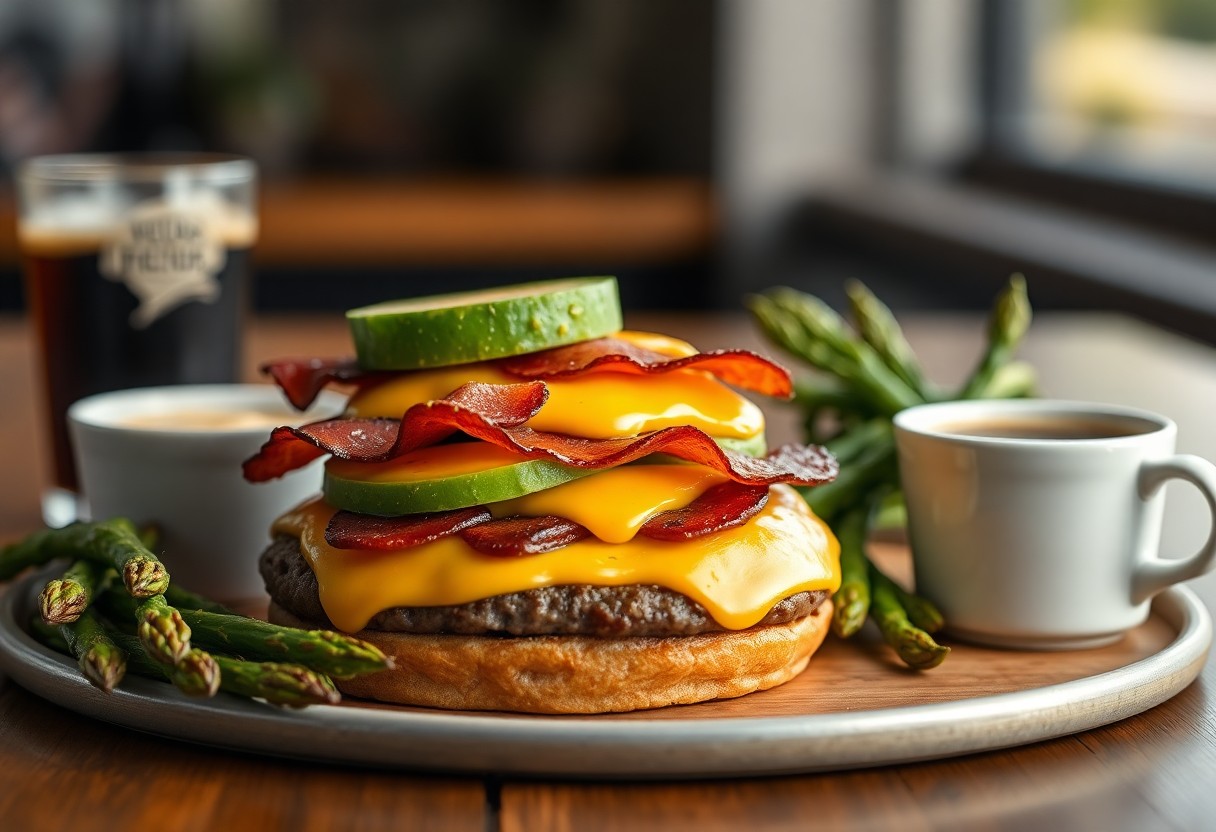
- Choose protein- and fat-focused items-order bunless burgers, grilled chicken, omelets, or protein bowls-and avoid breaded or fried options.
- Watch hidden carbs in sauces, buns, and sweet dressings; request oil & vinegar or full-fat dressings on the side and skip sugary condiments.
- Customize portions and swaps-replace fries with a side salad or steamed veggies-and use chain nutrition info to track carbs and calories for keto and weight-loss targets.
Understanding the Ketogenic Diet
You follow a high-fat, moderate-protein, very-low-carbohydrate pattern-typically 20-50 g net carbs per day-with fats providing roughly 70-80% of calories and protein around 15-25%. Within 48-72 hours of sustained carb restriction your liver shifts from glucose to ketone production, and nutritional ketosis is commonly defined by blood beta‑hydroxybutyrate of about 0.5-3.0 mmol/L. This metabolic switch lowers insulin and increases fat oxidation, which changes how your body sources energy day to day.
Principles of Ketosis
Ketosis happens when low insulin and limited glucose force your liver to oxidize fatty acids into acetyl‑CoA and then produce acetoacetate and beta‑hydroxybutyrate; those ketones fuel brain and muscle. You typically enter steady ketosis in 2-4 days of strict carb restriction, though activity, protein intake, and prior glycogen stores affect timing. You can verify ketosis with finger‑stick ketone meters or breath analyzers, and note exogenous ketone supplements will raise blood ketones without necessarily indicating fat loss.
Benefits of a Low-Carb Lifestyle
You’ll commonly see faster early weight loss-often 1-2 kg in the first week from glycogen and water-and improved appetite control as ketones blunt hunger and stabilize glucose. Clinical trials report better short‑term glycemic control (HbA1c drops around 0.5-1.0% in many studies) and favorable lipid shifts: lower triglycerides and higher HDL. Therapeutically, ketogenic approaches also reduce seizure frequency in drug‑resistant epilepsy and can aid metabolic health in type 2 diabetes when monitored.
Practically, the reduced insulin environment makes fat stores more accessible, so sustained adherence plus a modest calorie deficit leads to steady fat loss after the initial drop. You may notice clearer mental focus within days and fewer energy crashes between meals. For monitoring, track ketones, weight, and fasting glucose; adjust protein (too much can raise insulin) and ensure electrolytes-sodium, potassium, magnesium-are sufficient to minimize side effects like headache or fatigue.
Navigating Fast Food Menus
Scan menus for keywords like "grilled," "no bun," or "lettuce wrap" and favor items you can easily customize; a typical beef patty has ~0-1 g carbs and 20-25 g protein, cheese ~0-1 g, avocado ~2 g. Use restaurant apps to view nutrition and swap fries for extra greens. For chain-specific swaps and sample orders, consult 8 Fast Food stops for Low-Carb and Keto friendly orders.
Common Low-Carb Choices
You’ll often choose bunless burgers, grilled chicken salads (ask for oil and vinegar), breakfast omelets or egg bowls, lettuce-wrapped tacos, and protein bowls without rice or beans; a 3-4 oz chicken breast typically provides 20-30 g protein while eggs give ~6 g each. Watch dressings and ketchup-2 tbsp can add 4-8 g carbs-and opt for full-fat dressings or butter to meet ketogenic fat targets.
Tips for Ordering Smart
Prioritize swaps that cut carbs and add fat: remove the bun, request sauces on the side, add avocado or extra cheese, and replace starchy sides with a side salad or steamed veggies; many chains list macros so you can confirm carb counts before ordering.
- Swap buns for lettuce, saving roughly 20-40 g net carbs per sandwich.
- Request sauces and dressings on the side to control portions and hidden sugars.
- Any substitutions you make, log them and check the chain’s nutrition info to avoid unexpected carbs.
When you’re in a hurry, use these practical checks: check portion sizes (a large grilled chicken at chains is ~25-30 g protein), avoid breaded or tempura items that add 15-30 g carbs, and favor single-ingredient proteins. If a menu lists carbs per serving, compare items-salads vary from ~4-20 g net carbs depending on toppings and dressing.
- Pick single-protein options (grilled chicken, beef patty, eggs) to simplify tracking.
- Order kid’s portions or share to keep calories in the 400-700 kcal range if you’re cutting.
- Any time you’re unsure, ask staff for ingredient lists or use the restaurant’s online nutrition calculator before finalizing your order.
Popular Fast Food Chains
You can consistently find low-carb wins at major chains by swapping out tortillas, buns, and rice, and by adding fats like cheese, bacon, or avocado; removing a typical 25-30 g-carb bun or a 30-35 g tortilla often drops a meal from carb-heavy to keto-friendly, and choosing grilled proteins or salad bowls with oil-and-vinegar dressing keeps your net carbs often below 20 g for a full meal.
Low-Carb Options at McDonald's
You can order a Quarter Pounder or Double Cheeseburger without the bun and add bacon or extra cheese to boost fat, choose an Egg McMuffin without the muffin for a quick breakfast protein, or pick a side salad (skip sugary dressings) and request oil and vinegar; removing the bun typically cuts ~24-28 g carbs, so many customized McDonald's meals land under 10-15 g net carbs.
Keto-Friendly Choices at Taco Bell
You should build bowls instead of burritos: request a Power/Cantina-style bowl with grilled chicken or steak, omit rice and beans, add guacamole, cheese, and sour cream, and choose pico de gallo for flavor; a standard soft tortilla contains roughly 30-35 g carbs, so skipping it and high-carb fillers often brings your Taco Bell meal into single-digit or low-teen net carbs.
To tighten carbs further, ask for double meat and extra guacamole for fat while avoiding crunchy shells and sauces like Nacho Cheese or Fiesta that add carbs; rice often contributes ~30-35 g carbs and beans ~12-18 g, so removing both and relying on lettuce, cheese, and full-fat toppings typically keeps carbs under 10 g and protein moderate for keto days.
Healthier Selections at Subway
You can turn Subway into a low-carb stop by ordering an Unwich (lettuce wrap) or a salad with turkey, roast beef, or chicken, add avocado and extra cheese for fat, and skip sweetened sauces and chips; a 6-inch sub roll usually contains about 40-50 g carbs, so choosing the Unwich instead cuts those carbs entirely and yields a meal often under 10-15 g net carbs.
Focus on lean proteins like oven-roasted turkey (low fat, high protein) or steak, request double meat if you need more calories from protein, and dress with olive oil and vinegar or mustard; be mindful of sodium in processed meats and pick vegetables like spinach, cucumber, and peppers to add fiber without spiking carbs.
Meal Prep Alternatives
Batch-cook proteins and vegetables during a 20-30 minute Sunday session so you have 3-4 ready meals; freeze single portions and keep refrigerated lunches for up to 4 days. Use shortcuts like pre-washed greens, frozen riced cauliflower, rotisserie chicken, and mason-jar salads to cut assembly time to under 10 minutes per meal and help you stay within your 20-50 g daily net carb target.
Making Low-Carb Meals at Home
Cook simple low-carb meals in minutes: a 3-egg omelet with spinach and feta in 8-10 minutes, skillet cauliflower fried rice in 6-8 minutes, and sheet-pan chicken with broccoli in 20-25 minutes. You can keep canned salmon or tuna mixed with avocado and mustard for 2-minute lunches while tracking protein (20-30 g per serving) to support satiety and muscle retention.
Best Ingredients for Quick Preparation
You can stock quick-prep staples: eggs, canned tuna or salmon, pre-washed leafy greens, frozen riced cauliflower, shredded cheese, avocados, olive oil, and nuts. Eggs provide about 6 g protein and <1 g carbs each; a 100 g portion of riced cauliflower has ~5 g carbs and 2 g fiber (≈3 g net carbs), making these items versatile for rapid, low-effort meals.
You can combine these ingredients into fast templates: breakfast scramble (3 eggs, spinach, cheese), lunch tuna salad (canned tuna, mayo, celery, avocado), and dinner bowl (grilled salmon, riced cauliflower, roasted asparagus). Frozen riced cauliflower keeps 8-12 months, pre-washed greens 3-5 days refrigerated, and eggs 3-5 weeks-using these reduces prep time and decision fatigue while keeping consistent macros.
Balancing Convenience and Nutrition
When you're short on time, prioritize choices that maximize protein and fat while minimizing carbs-aim for meals under 10-15 g net carbs if you're following strict ketogenic targets (20-50 g/day). Use drive‑thru apps to preview nutrition, choose grilled proteins, double up on vegetables, and swap starchy sides for salad or avocado. Fast options like bunless burgers, omelets, or protein bowls often take less than 10 minutes and keep you within macros without extensive prep.
Evaluating Fast Food Nutrition Labels
Compare the listed serving size to what you actually receive and calculate net carbs as total carbs minus fiber and sugar alcohols. Scan ingredient lists for hidden sugars or maltodextrin-single‑serve sauces can add 5-15 g carbs. Check fat and protein to ensure a meal supports your keto ratio, and note high sodium: many entrées exceed 800-1,500 mg per serving, which can affect water balance and appetite.
Strategies for Staying on Track
Order "no bun" or "lettuce wrap" options, request sauces on the side, and swap fries for a side salad or steamed vegetables. Keep portable keto snacks-one hard‑boiled egg (~70 kcal, 0.6 g carbs) or 1 oz almonds (~3 g net carbs)-to avoid impulse choices. Use restaurant apps to customize and save preferred modifications so you can order quickly without derailing your macros.
Log menu items before ordering with tools like Carb Manager or MyFitnessPal and set a daily carb buffer-reserve 10-20 g for a convenience meal. Pre‑save a custom order (grilled protein, double greens, cheese, avocado, dressing on the side) and use it at chains; for example, a Chipotle salad with carnitas, cheese, guacamole, and salsa typically lands around 8-15 g net carbs when you skip rice and beans. Eating a small protein snack before you go can also reduce overeating.
Real-Life Success Stories
Many people share concrete wins you can emulate: one office worker lost 30 lb in six months by ordering bunless burgers, extra veggies, and swapping soda for water; another lowered A1c from 7.4% to 6.1% in four months while keeping carbs under 25 g/day. You’ll find practical fast-food swaps and menu items in the Top 11 Fast-Food Options for Keto & Low Carb in the U.S.
Achieving Weight Loss Goals
You can achieve steady weight loss by creating a 300-700 calorie daily deficit and using low-carb fast-food choices to stay compliant; for example, swapping fries for a side salad and choosing grilled protein can cut 300-500 calories and 30-50 g net carbs per meal, a strategy that helped one participant lose 25 lb in four months while maintaining energy for workouts.
Transformations through Ketogenic Lifestyle
You often see changes beyond the scale: sustained satiety, fewer hunger spikes, and improved mental clarity reported by people who maintain nutritional ketosis (blood ketones ~0.5-3.0 mmol/L), with many keeping weight off for a year or more after adapting fast-food habits to fit keto.
You should track net carbs (typically 20-50 g/day), prioritize high-fat choices like avocado and cheese, and request lettuce-wrapped or bowl-style orders to stay in ketosis; sticking to a short list of reliable fast-food orders makes adherence simpler, and several case stories show that consistent meal selection plus weekly weighing yields the most durable results.
Conclusion
Now you can consistently meet ketogenic and weight-loss goals at fast-food restaurants by choosing bunless burgers, grilled meats, salads with olive oil or ranch, and breakfast items like eggs and sausage, while avoiding breaded, sugary, and starchy sides; track your macros, request swaps (double greens, extra protein), and prioritize whole fats and protein to stay in ketosis and support sustainable weight loss.
FAQ
Q: How can I order keto-friendly meals at common fast-food restaurants?
A: Start by swapping buns and tortillas for lettuce wraps or bowl-style plates, choose grilled over breaded or fried proteins, request sauces and dressings on the side, and replace fries with a side salad, steamed vegetables, or extra protein. Ask for extra eggs, cheese, avocado, or bacon to boost fat and protein while keeping carbs low. Use the chain’s nutrition menu or app to check net carbs (total carbs minus fiber) and aim for meals typically under 10-20 g net carbs if that fits your daily target.
Q: Which fast-food items are typically low-carb and supportive of weight-loss goals?
A: Breakfast: egg-and-cheese sandwiches served without the bread or as egg bites, bacon or sausage patties. Burgers: single or double patties with cheese, lettuce, tomato, pickles, no bun. Chicken: grilled nuggets or grilled chicken breast with a side salad. Mexican-style: burrito bowls without rice and beans, with extra meat, cheese, sour cream, and guacamole. Salads: protein-focused salads with full-fat dressing on the side. Coffee shops: unsweetened black coffee, americanos, or espresso drinks made with heavy cream or unsweetened nut milk. Avoid breaded, battered, or sweetened entrees and sides.
Q: How should I handle condiments, dressings, and hidden carbs?
A: Inspect labels or ask staff about sauces; common high-sugar culprits include ketchup, BBQ sauce, honey mustard, teriyaki, and sweet glazes. Prefer mayonnaise, plain oil-and-vinegar, full-fat ranch (checked for sugar), or olive oil on the side. Request sauces in a separate container so you control the amount. Watch for hidden carbs in items like seasoned rice, dressings with added sugar, fruit-based salsas, and flavored coffees; when in doubt, choose plain versions or omit the item.
Q: Can I maintain a calorie deficit for weight loss while following keto at fast-food places?
A: Yes. Weight loss depends on sustaining a calorie deficit, and keto can help by reducing appetite for some people. To stay in a deficit, prioritize lean protein and nonstarchy vegetables, limit high-calorie keto extras (large amounts of cheese, nuts, or avocado), control portion size, and avoid frequent high-calorie sides and sugary beverages. Track calories and macros with an app for a few meals to see how choices add up and adjust portions or frequency of fast-food meals accordingly.
Q: What are practical order examples at major fast-food chains to keep meals low-carb?
A: McDonald’s: grilled egg sandwich without English muffin or a Big Mac without the buns (wrapped in lettuce), side salad. Burger chains: cheeseburger with no bun, double meat for satiety, side salad. Chick-fil-A: grilled nuggets or grilled chicken sandwich without bun, kale or side salad (dressing on side).Chipotle/Taco Bell: burrito bowl with no rice or beans, extra meat, salsa, cheese, guacamole. Starbucks: sous vide egg bites or custom espresso with heavy cream, no syrup. KFC/Wendy’s: grilled chicken pieces with a side salad or steamed vegetables. Always specify no sugary sauces, ask for dressings on the side, and check the chain’s nutrition info before ordering if possible.



0 Comments