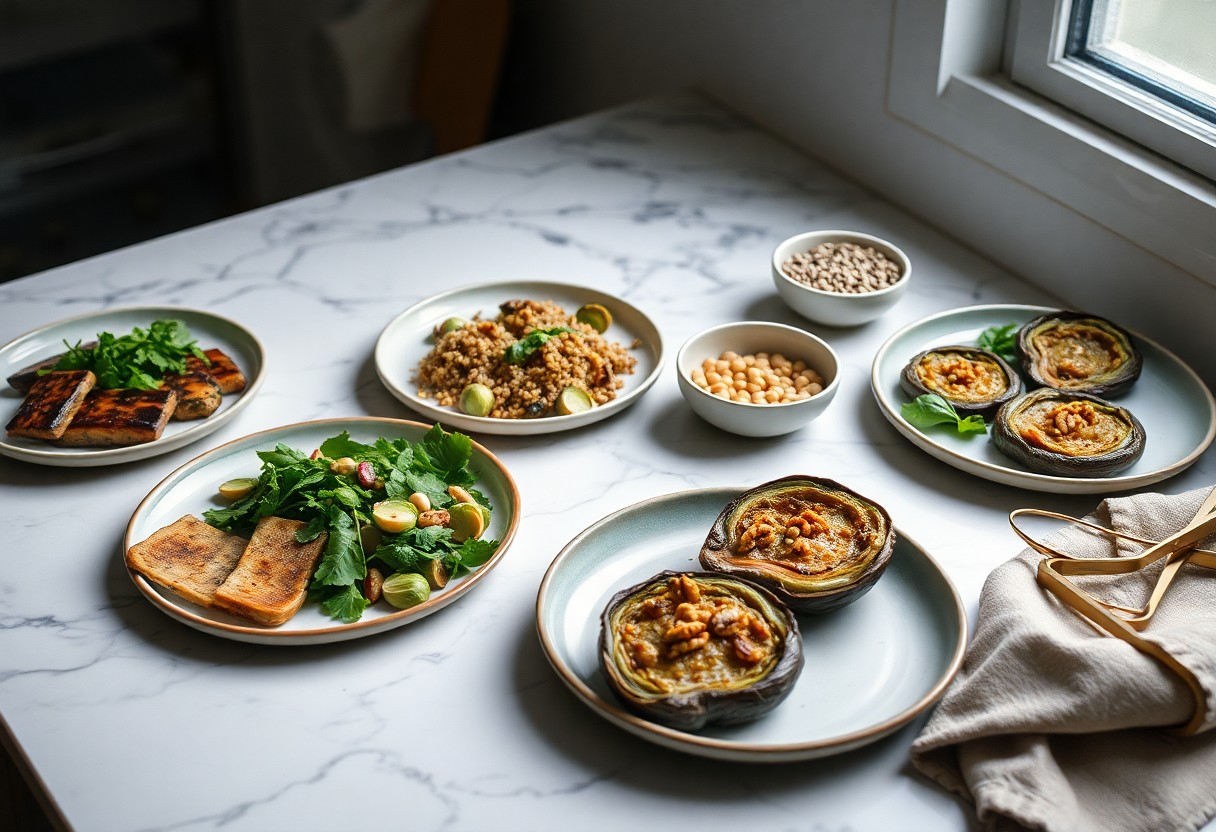
Over time you can assemble a nutritionally balanced vegetarian diet that meets your protein needs by combining legumes, whole grains, nuts, seeds, soy, and dairy or fortified alternatives; plan meals to include varied plant-based proteins, iron, calcium, and B12 sources, and prioritize colorful vegetables and fiber-rich foods to support energy, recovery, and long-term health.
Key Takeaways:
- Prioritize varied plant-protein sources-beans, lentils, tofu, tempeh, seitan, edamame, peas, nuts and seeds-and pair them with whole grains to form complete proteins.
- Include nutrient-dense foods and fortified items: leafy greens and colorful vegetables, iron-rich legumes, zinc sources, omega‑3s (walnuts, flax/chia), and B12‑fortified foods or a supplement when needed.
- Build balanced plates: a protein portion, a whole-grain or starchy vegetable portion, and plenty of vegetables; use high-protein snacks (yogurt, hummus, nut butter) to meet daily needs.
Understanding Balanced Nutrition
Balancing macronutrients and targeted micronutrients keeps your vegetarian diet functioning optimally: aim for roughly 0.8 g protein per kg body weight (1.2-1.6 g/kg if you train intensely), 25-38 g fiber daily, and 20-35% of calories from healthy fats. Spread protein across meals using beans, tofu, tempeh and whole grains, and include fortified plant milk or yogurt to shore up calcium and vitamin D without leaning on processed meat analogues.
Macronutrients in a Vegetarian Diet
You should prioritize varied plant proteins: one cooked cup of lentils gives ~18 g protein, 100 g tempeh ~19 g, and firm tofu 8-15 g per 100 g depending on type. Carbohydrates should emphasize whole grains and legumes for sustained energy and 25-38 g fiber/day. Include omega‑3 sources-1.1-1.6 g ALA daily from flax, chia, or walnuts-and aim for 20-35% of calories from unsaturated fats like olive oil and avocado.
Micronutrients of Concern
Pay particular attention to iron (non‑heme is less bioavailable; RDA ~18 mg/day for menstruating women, 8 mg for men), vitamin B12 (RDA 2.4 µg from fortified foods or supplements), vitamin D (600-800 IU/day), calcium (~1,000-1,200 mg/day), zinc (8-11 mg/day), iodine (150 µg/day) and EPA/DHA (consider algae oil if you lack fish). Pair iron-rich meals with vitamin C to boost absorption and choose fortified plant foods where possible.
To improve absorption and status, employ practical strategies: soak, sprout or ferment grains and legumes to lower phytates; cook acidic iron-rich dishes with vitamin C sources (citrus, bell peppers); use iodized salt or seaweed sparingly to meet 150 µg iodine; test serum B12 and ferritin if you feel fatigued; and consider an algae-derived DHA supplement if you don’t consume fish. Fortified plant milks and cereals often provide reliable calcium and B12-build a one-week meal template (e.g., fortified cereal + orange, lentil salad, tempeh stir‑fry, fortified yogurt alternative + walnuts) to consistently hit targets and then adjust based on lab results and activity level.
Plant-Based Protein Sources
Mix legumes, whole grains, nuts, seeds and soy; for practical recipes see 15 High Protein Vegan Recipes to Make This Week. You'll find lentils provide about 18 g protein per cooked cup, firm tofu roughly 10-20 g per 100 g, and hemp seeds ~10 g per 3 tbsp-combining these gives you a diverse amino acid profile.
Legumes and Pulses
You should rely on lentils, chickpeas, black beans and edamame: cooked lentils ≈18 g protein/cup, chickpeas ≈15 g/cup, black beans ≈15 g/cup, shelled edamame ≈17 g/cup. Use them in stews, salads, hummus or burgers; pairing with brown rice or quinoa converts meals into complete proteins while adding significant fiber and iron to your plate.
Nuts and Seeds
You can boost snacks and meals with almonds (~6 g protein/oz), peanuts (~7 g/oz), walnuts (~4 g/oz), chia (~4.7 g/oz) and hemp seeds (~10 g/3 tbsp). Sprinkle them on oatmeal, salads or smoothies to increase protein, healthy fats and micronutrients like magnesium and vitamin E, keeping portions around 1-2 oz to manage calories.
You should grind flax for better ALA absorption and store nuts in the fridge to prevent rancidity; light roasting enhances flavor but avoid high heat, which degrades polyunsaturated fats. Try 1-2 tbsp hemp seeds (≈6-10 g protein), plus a tablespoon of almond or peanut butter (≈3-4 g) and 1-2 tbsp ground chia in a smoothie to add 8-14 g protein while boosting omega‑3s and minerals.
Crafting Balanced Meals
When assembling meals, aim for roughly 20-30 g protein, 40-60 g carbs, and 10-20 g healthy fat per serving to sustain energy; pair a cup of cooked lentils (≈18 g protein) with ¾ cup quinoa (≈6 g) or add 100 g tofu (≈8-12 g). Use color and texture-roasted vegetables, leafy greens, nuts-for micronutrients, and consult quick templates like 8 Fast and Easy High Protein Vegetarian Dinner Recipes you can adapt.
Combining Food Groups
Combine legumes with whole grains-rice and beans, lentil curry with brown rice, or chickpea salad with farro-to create complete proteins; one cup cooked beans provides about 15 g protein, while adding a tablespoon of hemp seeds (+3 g) improves amino acid balance. Include vitamin C-rich foods like bell peppers or citrus to boost nonheme iron absorption, and add a tablespoon of olive oil or avocado to aid fat-soluble vitamin uptake.
Meal Planning Tips
Batch-cook staples: roast 6 cups mixed vegetables, simmer 3 cups dried beans (yields ~6 cups cooked), and portion 4-6 servings of grains to mix-and-match through the week; schedule two high-protein dinners and three protein-forward lunches to hit daily goals, and use clear containers so you see what you have.
- Choose weekly themes (Mexican, Mediterranean, Asian) so you can reuse spice blends and simplify your shopping.
- Track protein per meal with a spreadsheet or app so you hit 50-70 g daily based on your activity level.
- This approach reduces decision fatigue, keeps your meals varied, and helps you meet nutrient targets consistently.
Plan two 30-40 minute cooking sessions: one for grains and legumes, one for sauces and roasted vegetables; store portions in clear, labeled containers with date stamps, and freeze at least two meals to avoid last-minute takeout. Use mason jars for salads to keep greens crisp, aim to rotate one new recipe weekly to expand your repertoire, and measure portions until you know typical serving sizes.
- Allocate 60-90 minutes on Sundays to cook staples you can recombine all week.
- Portion meals into 400-600 kcal containers so you know calorie and macronutrient density at a glance.
- This scheduling method helps you maintain consistency and frees time during busy weekdays.
Creative Vegetarian Recipes
Breakfast Ideas
Try a chickpea‑flour omelette loaded with spinach and mushrooms, or a Greek‑yogurt parfait (≈15 g protein per 170 g serving) topped with berries and hemp seeds for a quick, nutrient-dense start. Alternatively, scrambled firm tofu (≈8 g protein per 100 g) with turmeric and roasted sweet potato gives a savory, iron-rich option. Combining one egg (≈6 g) with ½ cup cooked quinoa (≈4 g) also yields a compact ~10 g protein boost to keep you full through the morning.
Lunch and Dinner Options
Build balanced bowls with 1-1.5 cups cooked grains, 1 cup legumes, and two cups mixed vegetables; for example, 1 cup cooked quinoa (≈8 g) plus 1 cup cooked lentils (≈18 g) and roasted broccoli delivers ~26 g protein alongside fiber and iron. Tempeh stir‑fries (tempeh ≈19 g per 100 g), black‑bean tacos with avocado, and lentil bolognese over whole‑grain pasta are high‑protein, flavorful mains you can prep in under 40 minutes.
Target roughly 20-30 g protein per main meal to support muscle maintenance and satiety, combining complementary proteins like rice and beans or hummus with whole‑grain pita to improve amino‑acid balance. Add hemp or chia seeds for omega‑3s, include vitamin C sources (bell peppers, citrus) to increase plant‑iron absorption, and finish with fermented condiments (miso, yogurt) to introduce beneficial microbes and deepen flavor.
Snacks and Desserts
Healthy Snack Ideas
Pack portable options that deliver protein and fiber: 1 cup shelled edamame provides about 17 g protein, a 2-tablespoon peanut‑butter snack with apple wedges adds roughly 8 g, and 1/2 cup roasted chickpeas gives ~7 g. Pair Greek yogurt (3/4 cup ≈15 g protein) with berries for antioxidants, or mix 1/4 cup almonds (≈6 g protein) and pumpkin seeds for a 200-250 kcal power snack that steadies blood sugar between meals.
Plant-Based Desserts
Choose desserts that contribute nutrition: black‑bean brownies (1/2 cup black beans ≈7-8 g protein) and silken‑tofu chocolate mousse (100 g silken tofu ≈8 g protein) supply plant protein while cutting refined sugar. You can also make chia pudding with soy milk-using 1 cup soy milk plus 2 tbsp chia delivers around 10-12 g protein-and top with walnuts or hemp seeds for extra omega‑3s and texture.
Use techniques like aquafaba for vegan meringues, silken tofu or mashed avocado for creamy bases, and nut butters to boost protein and satiety; for example, chia pudding made with 1 cup fortified soy milk and 2 tbsp chia seeds yields roughly 11 g protein and 8-10 g fiber, while a single-square black‑bean brownie can provide 6-8 g protein-so you can satisfy dessert cravings without sacrificing your macronutrient targets.
Common Myths about Vegetarianism
Persistent myths often make you question whether a vegetarian diet can supply all necessarys, yet targeted choices and planning meet most needs; the protein RDA is about 0.8 g/kg (≈56 g/day for a 70 kg person), vitamin B12 has a clear fortified/supplement pathway, and iron, calcium and omega‑3 shortfalls are managed by pairing foods and using fortified options when needed.
Protein Deficiency Myths
You meet protein targets by combining legumes, grains, soy and nuts across the day: 1 cup cooked lentils ≈18 g protein, 1 cup shelled edamame ≈17 g, seitan ≈25 g per 100 g, and firm tofu ≈8-12 g per 100 g-athletes may aim higher (1.2-1.7 g/kg). You don’t need to combine complementary proteins at every meal; total daily intake and variety matter more.
Misconceptions about Nutrition
Iron, B12, omega‑3s and calcium are often cited as deficits, but non‑heme iron absorption improves markedly when you eat vitamin C-rich foods with iron sources (up to threefold increase), and B12 needs are reliably met with fortified plant milks, cereals or a supplement supplying the RDA (~2.4 µg/day).
Fortified choices-soy or almond milk fortified to roughly 300 mg calcium per cup, calcium‑set tofu, and nutritional yeast-solve many gaps; flax and chia supply ALA but conversion to EPA/DHA is low (often under 10%), so you may choose an algae‑based DHA supplement if you need higher long‑chain omega‑3s or have specific health priorities.
Summing up
From above, you can confidently craft vegetarian meals that deliver balanced nutrition and ample plant-based protein by combining legumes, whole grains, nuts, seeds, and a wide variety of vegetables. Prioritize fortified foods or supplements for B12, pair iron-rich plant foods with vitamin C to enhance absorption, and manage portions to meet calorie and macronutrient needs. With simple planning, diverse recipes, and consistent protein sources, your diet will support energy, recovery, and long-term health.
FAQ
Q: What are simple vegetarian meals that deliver balanced macronutrients and substantial plant-based protein?
A: Build each meal around a protein source (lentils, chickpeas, tofu, tempeh, edamame, Greek yogurt or cottage cheese, or fortified plant-based protein powders), a whole grain (brown rice, quinoa, farro, whole-wheat pasta), plenty of vegetables, and a source of healthy fat (olive oil, avocado, nuts or seeds). Example plates: lentil and vegetable stew with brown rice; tofu and vegetable stir-fry over quinoa; chickpea and spinach curry with whole-grain naan; Greek yogurt bowl with nuts, seeds, and fruit. Aim for roughly 15-30 g protein per main meal by combining a concentrated plant protein with a grain or dairy alternative.
Q: How can I combine plant proteins to ensure complete amino acid profiles?
A: Most plant proteins are complementary rather than incomplete when meals or day totals are diversified. Common pairings: legumes + grains (beans + rice, lentil dhal + roti), hummus + whole-grain pita, peanut or almond butter on whole-grain toast, quinoa (a complete protein) with roasted vegetables, tofu/tempeh (soy is complete) in salads or bowls. You don’t need to mix complementary proteins in every single meal as long as you eat varied protein sources across the day.
Q: What quick snacks and additions boost plant-based protein and micronutrients between meals?
A: High-protein snack options: roasted chickpeas, edamame, Greek yogurt or skyr, cottage cheese with fruit, nut or seed butter with apple slices, mixed nuts and seeds, protein smoothies with pea/soy powder, hummus with vegetable sticks, whole-grain crackers with ricotta or almond butter. Fortify micronutrient intake by pairing iron-rich plant foods (spinach, lentils, pumpkin seeds) with vitamin C sources (bell peppers, citrus) to improve absorption; include calcium-rich items (fortified plant milks, tofu set with calcium, leafy greens) as needed.
Q: How should I plan a weekly vegetarian menu to ensure variety and balanced nutrition?
A: Use a rotating template: 2-3 legume-based dinners (lentils, beans, chickpeas), 2 soy-based meals (tofu, tempeh, edamame), 1-2 dairy or dairy-alternative protein meals (Greek yogurt bowls, cottage cheese salads), and multiple grain-and-veg bowls using quinoa or farro. Add a high-protein breakfast twice weekly (overnight oats with Greek yogurt or a tofu scramble with whole-grain toast). Include seeds/nuts daily for fats and micronutrients, and one fish-free source of long-chain omega-3 (algal DHA) or flax/chia regularly. Batch-cook grains and beans to mix-and-match quickly during the week.
Q: Are there supplements or nutritional considerations vegetarians should watch for?
A: Monitor and, if necessary, supplement vitamin B12 (fortified foods or a B12 supplement), consider vitamin D in low-sun months, and assess omega-3 intake-use flax/chia/ground hemp or algal DHA if needed. Pay attention to iron (plant iron is less bioavailable; pair with vitamin C), zinc, and calcium; include fortified plant milks, tofu, nuts/seeds, and whole grains. If pregnant, breastfeeding, an athlete, or managing a medical condition, consult a healthcare professional or registered dietitian for personalized testing and supplement advice.



0 Comments