Many of the food choices you make can simultaneously support planetary health and your longevity: shifting toward whole, plant-based foods lowers greenhouse gas emissions and water use while improving nutrient density, fiber intake, and metabolic markers. By prioritizing legumes, whole grains, vegetables, fruits, nuts, and seeds, you reduce chronic disease risk, support diverse ecosystems, and create resilient, affordable eating patterns that sustain your health over decades.
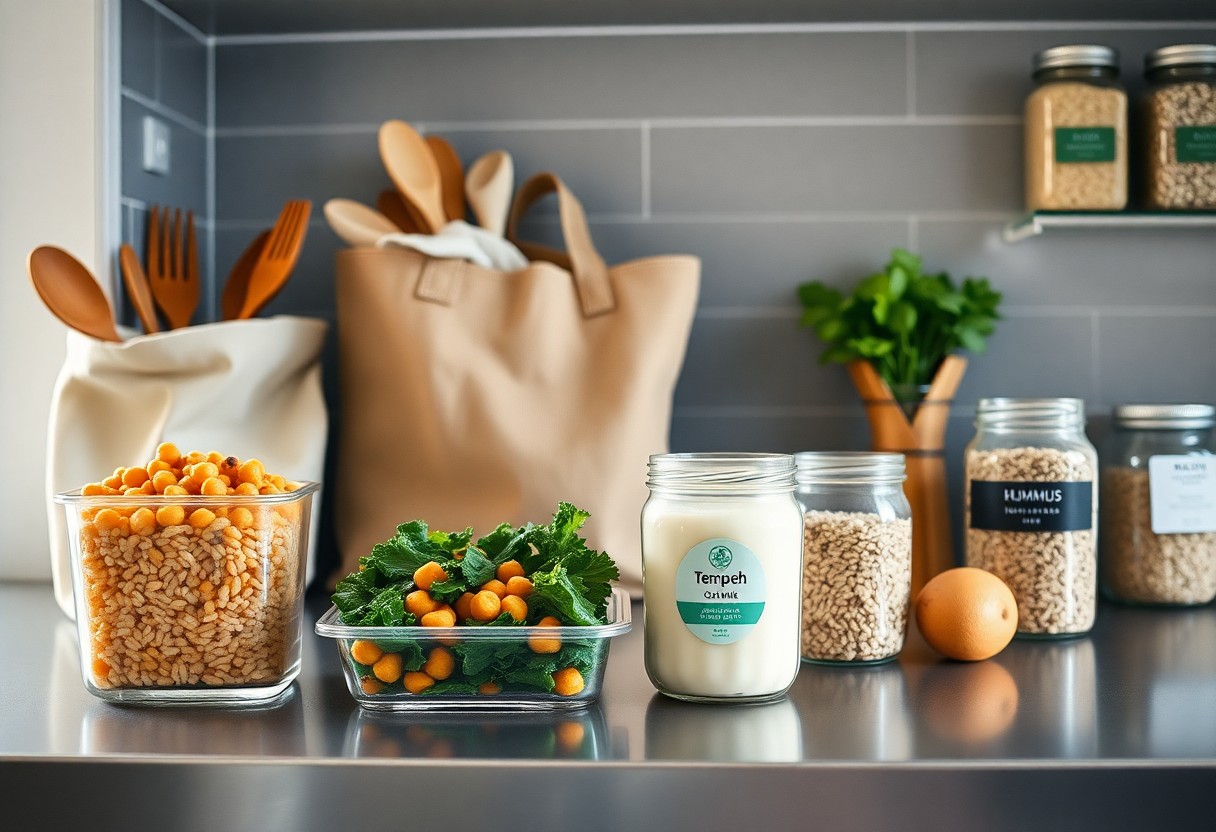
Key Takeaways:
- Plant-forward diets lower risk of cardiovascular disease, type 2 diabetes, and some cancers while supporting healthy weight and metabolic health.
- Choosing plant-based foods substantially reduces greenhouse gas emissions, land use, and water use compared with typical animal-based diets, improving food-system sustainability.
- Achieving long-term nutritional adequacy requires diverse whole foods (legumes, whole grains, nuts, seeds, vegetables), fortified products, and targeted supplements or monitoring for nutrients like vitamin B12, iodine, iron, calcium, and long-chain omega-3s.
The Concept of Plant-Based Nutrition
Definition and Scope
Plant-based refers to dietary patterns that center plants but range from flexitarian to vegan; in practice you replace processed meats and refined carbs with legumes, soy, whole grains, vegetables, nuts and seeds, shifting toward more complex carbohydrates, fiber and unsaturated fats while lowering saturated fat and added sugars.
Historical Context
You can trace plant-forward traditions to Mediterranean, Okinawan and parts of India diets, where high legume and whole-grain intake supported lower cardiovascular disease rates; modern research and policy now build on those patterns to recommend increased plant foods for health and sustainability.
Since mid-20th century economic growth drove rising animal-product and processed-food consumption, researchers and organizations like the EAT-Lancet Commission (2019) used modeling to propose doubling plant foods and reducing red meat in many diets; Blue Zones (Okinawa, Ikaria, Sardinia, Nicoya, Loma Linda) offer observational examples where bean- and vegetable-heavy eating correlates with lower chronic disease and longer lifespans.
Benefits of Plant-Based Diets
Health Benefits
Your shift to plant-based eating lowers LDL cholesterol, can reduce systolic blood pressure by about 4-5 mmHg, and cohort/meta-analytic studies report roughly a 25% lower risk of coronary heart disease. Increasing fiber to 25-38 g/day from whole grains, legumes, fruits and vegetables improves glycemic control and satiety; nuts and soy supply cardioprotective unsaturated fats. The Adventist Health Study and EPIC-Oxford cohorts linked vegetarian patterns to lower cardiovascular mortality and reduced type 2 diabetes incidence when you prioritize whole foods over processed alternatives.
Environmental Impact
Animal agriculture produces about 14.5% of global greenhouse gases (FAO) and, per Poore & Nemecek (2018), uses roughly 77% of agricultural land while supplying only 18% of calories. By choosing more legumes, whole grains and vegetables you cut the land, water and emissions intensity of your diet; replacing ruminant meat with plant proteins substantially lowers your per-meal environmental footprint and reduces pressure on deforestation and freshwater resources where you source food.
Water and biodiversity impacts are stark: producing 1 kg of beef can consume hundreds to thousands of liters of water and drive habitat conversion, while pulses and many vegetables require far less and help preserve wetlands and forests. Lifecycle analyses indicate modest actions-one meat-free day per week or replacing half your beef servings with beans-can significantly lower your annual dietary emissions and land use, producing measurable benefits at both individual and community scales.
Components of a Sustainable Plant-Based Diet
Balancing macronutrients, micronutrients and sourcing choices helps you meet health and environmental goals: aim for 25-35 g fiber daily, 0.8-1.2 g protein per kg bodyweight depending on activity and age, and prioritize whole foods-beans, lentils (about 15-18 g protein per cooked cup), whole grains and nuts-while using fortified products and targeted supplements to fill gaps in B12, vitamin D and DHA.
Nutritional Essentials
You should combine complementary proteins (rice plus beans, hummus with whole-wheat pita) to ensure amino acid variety, include iron-rich foods (lentils, spinach) paired with vitamin C to boost absorption, get calcium from fortified plant milks or kale, and plan for B12 from fortified foods or a supplement (RDA ~2.4 µg/day) plus an algae-based DHA source (~200-300 mg/day) if you don’t eat fish.
Local and Seasonal Eating
Choosing local, seasonal produce-spring asparagus, summer tomatoes, autumn apples, winter root vegetables-keeps your meals fresher and often more nutrient-dense, reduces reliance on energy-intensive greenhouse or long-distance shipping, and supports regional farms through farmers’ markets or CSAs.
Practical steps you can take: consult a regional seasonal produce chart, join a CSA to receive weekly shares, buy frozen berries picked at peak ripeness for year-round nutrition, and preserve excess (blanch and freeze or ferment) to cut waste, lower costs, and diversify your plate while strengthening local food systems.
Overcoming Barriers to Plant-Based Eating
Practical strategies break down common obstacles-taste preferences, social expectations, time constraints and supply gaps-so you can adopt plant-forward habits sustainably. Start by substituting one or two meals weekly with legumes or tofu, use bold spices and umami-rich ingredients to match familiar flavors, and leverage workplace or school procurement changes to scale access; even modest shifts (e.g., three plant-based dinners per week) cut saturated fat intake and lower environmental impact noticeably.
Cultural Perspectives
You can preserve culinary identity while shifting plant-forward: adapt family favorites by swapping animal proteins for culturally resonant plants-use jackfruit in Caribbean stews, tempeh in Southeast Asian dishes, or add roasted chickpeas to Mediterranean salads. Many regional cuisines (Indian, Ethiopian, Mexican) already center plants, so leaning on traditional spice blends and techniques keeps meals familiar and acceptable to relatives and guests.
Accessibility and Affordability
You often face practical limits like food deserts, refrigeration and budget; frozen vegetables and canned beans solve many issues because they store longer, cost less per serving and retain nutrients. Dried legumes typically cost under $2 per pound and yield many servings, while plant proteins such as tofu and canned chickpeas provide affordable, shelf-stable protein options for routine meals.
To expand access, buy in bulk, plan weekly menus, and use versatile staples-lentils (~9 g protein per 100 g cooked), brown rice and oats-to build nutritious, low-cost meals. Community-supported agriculture, food co-ops and EBT-friendly farmers' markets increase local availability; pairing these with simple batch-cooking (three to four meals made at once) cuts per-meal cost and time, making plant-based eating more attainable.
Integrating Plant-Based Choices into Daily Life
To make plant-forward eating practical, blend simple swaps, batch-cooking, and proven benefits into your routine; for evidence see Plant-Based Diets Could Save Millions of Lives and .... Aim to replace animal protein in three dinners per week with legumes, tofu, or whole grains to cut saturated fat and boost fiber. Many workplaces and retailers now offer plant bowls and meat alternatives, so you can scale changes without major lifestyle upheaval.
Meal Planning and Preparation
Plan around templates: a whole grain + legume + vegetable + healthy fat. You can batch-cook 4-6 servings of beans or grains twice weekly and portion them for lunches; freezing soups saves time. Keep a 10-item staples list (lentils, chickpeas, frozen greens, sweet potatoes, oats, nuts, seeds, tofu, brown rice, canned tomatoes) so you always have nutritious, flexible ingredients for quick meals.
Transitioning Gradually
Start by replacing one animal-based meal per day with a plant-based equivalent for four weeks-moving from 1/7 to 3/7 meat-free meals. Try 'Meatless Mondays' then add two weekday lunches, tracking satisfaction and energy. Small, measurable targets (for example, cutting weekly meat servings by 25% each month) help you build skills and preferences without strain.
Deliberate monitoring helps: aim for about 0.8 g protein per kg body weight and include sources like lentils, tempeh, edamame, and pea protein shakes. Pair iron-rich plants (spinach, lentils) with vitamin C (bell peppers, citrus) to boost absorption, and consider B12 supplementation (commonly 25-100 µg daily or ~2,000 µg weekly) plus 200-300 mg/day DHA from algae if you avoid fish. Try practical swaps-lentil Bolognese, chickpea curry, tempeh tacos-to test flavors, then reassess energy, digestion, and labs after roughly three months to fine-tune your plan.
Case Studies and Success Stories
Practical examples demonstrate how you can convert plant-forward guidance into measurable gains: clinical trials, institutional menu shifts, and municipal procurement changes each report quantifiable improvements in health metrics and environmental footprints that you can model locally.
- 1. Ornish-style intervention (randomized trial): participants switching to a low-fat plant-based diet saw mean LDL drop of 20-30 mg/dL and 10% average body weight loss over 12 weeks, with medication reductions in 45% of cases.
- 2. EPIC-Oxford cohort data: a long-term comparison found vegetarians had a 32% lower ischemic heart disease mortality versus meat-eaters after adjusting for lifestyle factors.
- 3. Corporate cafeteria overhaul (European food services): rolling out plant-forward menus increased plant-meal purchases by 58%, reduced food procurement cost by 12%, and cut scope-3 food emissions by ~22% within 18 months.
- 4. School meal program (US district pilot): replacing two weekly meat lunches with plant-based options raised student uptake from 24% to 63% and saved the district $0.18 per meal, scaling to projected $45k annual savings.
- 5. City procurement policy (municipality of 500k residents): instituting 30% plant-based procurement across public institutions reduced annual food-related CO2e by ~4,500 tonnes and decreased food spend growth by 3%.
- 6. Type 2 diabetes reversal program (community clinic): a 16-week whole-food plant-based protocol achieved HbA1c reductions averaging 1.2% and diabetes medication discontinuation in 38% of participants.
- 7. Community garden and produce prescription initiative: participants increased daily fruit and vegetable intake by 1.8 servings, improved food security scores by 27%, and reduced household food expenditures by 9% over one year.
Individuals
You often see rapid personal gains: switching to predominantly plant-based meals typically lowers LDL by 15-30 mg/dL and yields 5-12% body weight loss in 3-6 months, while many people with elevated glucose reduce HbA1c by ~0.8-1.5% and cut medication needs.
Communities
Your community programs scale impact: modest shifts-like adding two plant-forward meals per week in schools or workplaces-can boost plant-meal uptake by 40-60%, cut institutional food emissions by ~15-25%, and deliver measurable cost savings within a year.
Scaling those pilots further, municipal procurement changes and citywide campaigns can reduce annual per-capita food emissions by 0.5-1.2 tonnes CO2e in mid-size cities; additionally, combined health-clinic and produce-access programs commonly improve population fruit/vegetable intake by 0.7-1.5 servings per day, lowering chronic disease incidence and overall healthcare costs.
Conclusion
Drawing together, adopting plant-based food choices strengthens your long-term health and advances sustainable nutrition by lowering environmental impact while promoting nutrient-rich eating patterns; informed shifts in your diet, guided by evidence and policy, can yield measurable benefits for your well-being and the planet - see Editorial: Ethical and sustainable food choice: drivers ... to support your decisions.
FAQ
Q: How do plant-based food choices support sustainable nutrition and long-term health?
A: Plant-based diets emphasize vegetables, fruits, whole grains, legumes, nuts and seeds, which supply fiber, phytonutrients, unsaturated fats and a variety of vitamins and minerals linked to lower risk of heart disease, type 2 diabetes, certain cancers and obesity. From a sustainability perspective, many plant foods require less land, water and greenhouse gas emissions per calorie or per gram of protein than most animal products, reducing environmental pressure. Shifting dietary patterns toward diverse plant foods also supports soil health and biodiversity when paired with regenerative or low-input farming practices. For long-term health, consistent intake of minimally processed plant foods fosters metabolic health, steady weight management, and improved gut microbiome diversity, all of which contribute to disease prevention across the lifespan.
Q: How can I ensure adequate protein and critical micronutrients on a plant-based diet?
A: Combine varied plant protein sources-legumes (beans, lentils, peas), soy (tofu, tempeh, edamame), whole grains, nuts and seeds-across meals to supply all important amino acids over the day. Pay attention to micronutrients that may be lower in plant-focused diets: vitamin B12 (supplement or fortified foods), vitamin D (sunlight, fortified foods or supplement), iron (consume with vitamin C to boost absorption), zinc (include legumes, seeds, whole grains), calcium (leafy greens, fortified plant milks, tofu set with calcium) and iodine (iodized salt, sea vegetables in moderation). Routine blood work with a healthcare provider helps detect deficiencies; targeted supplementation is often the simplest way to correct or prevent shortfalls.
Q: Which plant-based food choices have the biggest impact on environmental sustainability?
A: Foods with high environmental benefit per serving tend to be pulses (lentils, chickpeas, beans), whole grains, seasonal vegetables and fruits, and minimally processed plant proteins like soy and seitan. Choosing lower-footprint options (e.g., peas instead of almonds for protein, or oats instead of rice in water-scarce regions) reduces land and water use. Reducing consumption of ruminant meats (beef, lamb) and high-impact dairy typically yields the largest emissions reductions. Prioritizing local, seasonal produce and minimizing food waste amplify positive effects. Farming methods (organic, agroecological, regenerative) and supply chain factors also influence impact, so combining dietary shifts with purchasing choices supports greater sustainability gains.
Q: How do I transition to a plant-based diet while keeping meals affordable, satisfying and nutritionally balanced?
A: Start gradually-swap one or two meals per week for plant-based versions and increase over time. Build meals around inexpensive staples: dried or canned legumes, oats, rice, potatoes, frozen vegetables, and seasonal produce. Batch-cook soups, stews and grain bowls for convenience and cost savings. Focus on whole foods for nutrition density: legumes for protein and fiber, whole grains for B vitamins and energy, and greens for micronutrients. Use herbs, spices, citrus and fermented condiments to boost flavor. Plan for occasional fortified foods or a basic supplement (B12) if intake is limited. Track intake briefly during the transition to ensure variety and adjust to meet energy and nutrient needs, especially for children, pregnant people and older adults.
Q: Are processed plant-based alternatives healthy, and how should I choose them?
A: Many plant-based alternatives (burgers, sausages, dairy analogs) provide convenient transitions but vary widely in nutrition. Evaluate labels: prefer products with whole-food ingredients, moderate sodium, limited long-chain saturated fats, and no excessive added sugars. Fortified milk alternatives and yogurts can be good sources of calcium, vitamin D and B12. Use processed alternatives as occasional components within a diet centered on whole plant foods; prioritize minimally processed legumes, whole grains, nuts and produce for regular meals. For medical conditions or specific nutrient needs, consult a dietitian to select products that fit overall dietary goals.



0 Comments