It's crucial to understand the nutrition profile of chickpeas, also known as chana, especially if you aim for strength and energy in your diet. Packed with protein, fiber, and crucial nutrients, chickpeas serve not only as a versatile ingredient but also as a powerhouse for your health. By examining the protein content and other nutritional aspects per 100g, you can make informed choices to enhance your meals and support your fitness goals.
Key Takeaways:
- Chickpeas contain approximately 19 grams of protein per 100 grams, making them a strong plant-based protein source.
- They are rich in crucial nutrients, including fiber, vitamins, and minerals, which contribute to overall health and energy levels.
- The low glycemic index of chickpeas helps maintain stable blood sugar levels, providing sustained energy throughout the day.
Nutritional Profile of Chickpeas
The nutritional profile of chickpeas showcases their potential as a powerhouse food, particularly for those seeking strength and energy. The balance of macronutrients and micronutrients in chickpeas makes them a valuable addition to your diet, promoting overall health and supporting an active lifestyle.
Macronutrients
In terms of macronutrients, chickpeas provide a well-rounded composition with approximately 27 grams of carbohydrates, 6 grams of dietary fiber, and 6 grams of fat per 100 grams. This balance not only supports energy levels but also aids in digestive health and promotes satiety.
Micronutrients
Chickpeas are rich in vital micronutrients, including vital vitamins and minerals that support various bodily functions. Key micronutrients present include folate, iron, magnesium, and zinc, which play critical roles in energy production, immune function, and bone health.
Folate, for example, is crucial for DNA synthesis and cell division, making it particularly important for pregnant women. Iron helps in transporting oxygen in your blood, while magnesium is vital for muscle function and energy production. Additionally, zinc supports immune health and promotes healing. Including chickpeas in your meals can significantly enhance your intake of these vital micronutrients, contributing to your overall wellness and physical performance.
Protein Content in Chana
Chickpeas, or chana, boast a significant protein content, providing approximately 19 grams per 100 grams. This makes them one of the top choices for plant-based protein sources, ideal for athletes and fitness enthusiasts seeking to enhance their strength and energy levels. Their unique amino acid profile supports muscle recovery and growth, making them an integral component of a balanced diet.
Comparison with Other Legumes
When comparing chickpeas to other legumes, you’ll find they hold their own quite well. Below is a breakdown of protein content per 100 grams of various legumes:
| Legume | Protein (g) |
|---|---|
| Chickpeas | 19 |
| Lentils | 9 |
| Black Beans | 21 |
| Kidney Beans | 24 |
Importance of Protein for Strength
Protein plays a vital role in building and repairing muscle tissues, vital for anyone engaged in strength training or intense physical activities. By including adequate protein in your diet, you can optimize muscle recovery, enhance performance, and improve overall body composition.
Without sufficient protein, your body may struggle to repair muscle after workouts, potentially leading to fatigue and decreased performance. For those aiming to increase strength, it’s important to include a variety of protein sources, with chickpeas offering not just protein but also fiber, vitamins, and minerals that contribute to comprehensive health. Incorporating chickpeas into your meals can give you the necessary boost to support your fitness goals effectively.
Health Benefits of Chickpeas
Incorporating chickpeas into your diet offers numerous health benefits that extend beyond their impressive protein content. Rich in dietary fiber, vitamins, and minerals, these legumes support digestive health, enhance satiety, and help regulate blood sugar levels. Their low glycemic index makes them an excellent choice for maintaining energy levels throughout the day, while antioxidants present in chickpeas contribute to overall health and well-being. Regular consumption can also support heart health by lowering cholesterol levels, making them a versatile addition to your meals.
Role in Muscle Development
Chickpeas are an excellent source of plant-based protein, important for muscle growth and repair. When you engage in strength training, the protein in chickpeas helps repair muscle fibers, promoting recovery and development. Their amino acid profile, particularly in combination with other plant proteins, supports your body's needs for muscle synthesis, particularly beneficial for vegetarians and vegans aiming to increase their protein intake.
Contribution to Energy Levels
Fueling your body with chickpeas can significantly boost your energy levels, thanks to their complex carbohydrates and high fiber content. These nutrients work together to provide a steady release of energy, helping you avoid the spikes and crashes associated with refined carbohydrates. The balance of protein and carbohydrates makes chickpeas an ideal food choice for sustained energy throughout the day.
Chickpeas contain about 27 grams of carbohydrates per 100 grams, primarily derived from complex carbs that digest slowly. This slow release of energy fuels your activities without the immediacy of sugar crashes. Additionally, the dietary fiber in chickpeas not only aids digestion but also helps maintain stable blood glucose levels, ensuring that you remain energized during workouts or daily tasks. Integrating chickpeas into your meals, such as in salads or stews, can support consistent energy levels and enhance overall performance.
Ways to Incorporate Chickpeas into Your Diet
Chickpeas are versatile and can be easily added to your meals. Toss them in salads, blend into smoothies, or use as a base for veggie burgers. Their earthy flavor complements various dishes, enhancing both taste and nutrition. For detailed nutritional values, check the Calories in 100 G Chickpeas. Experiment with roasted chickpeas as a snack or try adding them to soups for added protein and fiber.
Cooking Methods
Cooking chickpeas offers various methods to suit your preferences. You can soak and boil dried chickpeas for a fresh taste, or use canned chickpeas for convenience. Roasting them provides a crunchy texture, while blending them into a creamy hummus creates a tasty dip. Each method retains their high nutritional profile and allows you to enjoy chickpeas in numerous culinary forms.
Recipes and Meal Ideas
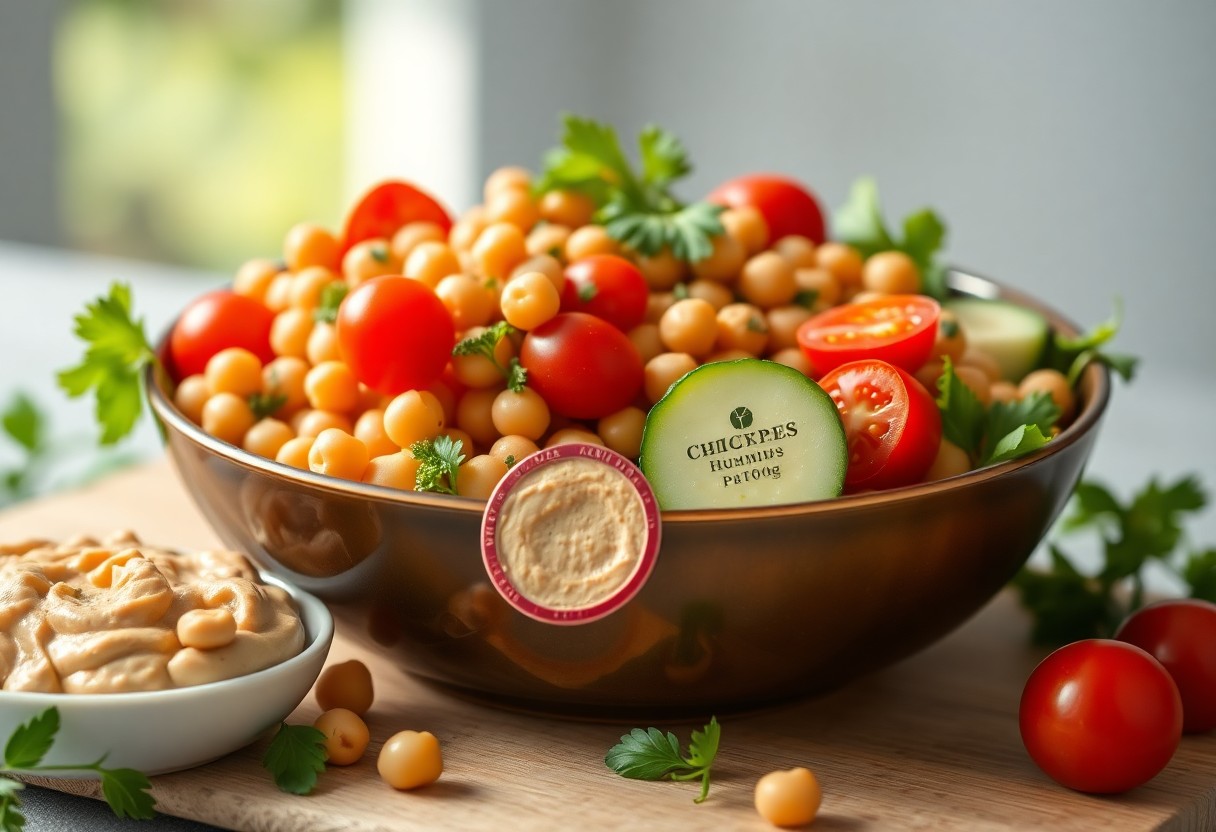
Incorporating chickpeas into your meals can be easy and delicious. Create a hearty chickpea salad with cherry tomatoes, cucumbers, and a lemon-tahini dressing. You might also experiment with chickpea curries, stews, or even falafel patties. These recipes not only balance flavors but also enhance your protein intake.
Your options with chickpeas are nearly endless. For a protein-packed breakfast, consider adding chickpeas to scrambles or omelets. Consider a Mediterranean grain bowl with quinoa, roasted veggies, and chickpeas topped with feta cheese. If you're hosting, chickpea dip can serve as an excellent appetizer. The affordability and versatility of chickpeas make them a valuable ingredient in any well-rounded diet.
Potential Allergies and Considerations
While chickpeas are a nutritious addition to your diet, potential allergies and digestive concerns may arise. If you're interested in Chickpeas nutrition: calories, carbs, GI, protein, fiber, fats, it's vital to note these aspects to ensure a safe and healthful consumption experience.
Common Allergens
Chickpeas are considered a legume, which can trigger allergic reactions in some individuals. Symptoms may range from mild skin reactions to severe anaphylactic responses. If you have known allergies to other legumes like peanuts or soy, it's wise to consult with a healthcare professional before adding chickpeas to your diet.
Digestive Concerns
Chickpeas can cause digestive discomfort for some people, primarily due to their high fiber content and oligosaccharides, which can be hard to digest. This may lead to gas, bloating, or cramping, especially if you're not accustomed to high-fiber foods. Gradually introducing chickpeas into your meals and ensuring they are well-cooked can help mitigate these issues.
To further address digestive concerns, consider soaking dried chickpeas before cooking to reduce oligosaccharides, which can minimize gas production. Additionally, consuming chickpeas alongside foods rich in digestive enzymes, such as pineapple or papaya, may enhance their digestibility. You might also explore canned chickpeas, which tend to be easier on the stomach, as they are pre-cooked and have some of the oligosaccharides leached out. By paying attention to your body's reactions, you can enjoy the benefits of chickpeas while minimizing any discomfort.
Environmental Impact of Chickpea Farming
Chickpea farming plays a significant role in promoting environmental sustainability. Its ability to fix nitrogen in the soil reduces the need for synthetic fertilizers, thereby mitigating soil degradation and nutrient loss. As a drought-resistant crop, chickpeas require less water than many other legumes, making them an eco-friendly choice for farmers and consumers focused on reducing their environmental footprint.
Sustainability Benefits
Embracing chickpeas in your diet not only boosts your nutrition but also supports sustainable agricultural practices. As a rotation crop, chickpeas improve soil health and biodiversity, enhancing the resilience of farming systems and contributing to food security.
Water Usage and Soil Health
Water efficiency in chickpea farming is remarkable compared to other crops. This legume typically requires around 450-500 mm of water per growing season, significantly less than many traditional cereals. Additionally, growing chickpeas enriches the soil by increasing organic matter and promoting beneficial microorganisms.
The efficiency of chickpeas in water usage is underscored by their ability to thrive in arid conditions while minimizing irrigation needs. This characteristic not only conserves local water resources but also helps prevent issues related to water scarcity. Furthermore, by planting chickpeas, you contribute to maintaining soil structure and fertility, as their roots enhance aeration and nutrient recycling. Together, these factors create a more sustainable agricultural landscape that supports long-term ecological balance.
Final Words
Hence, understanding the nutrition breakdown of chickpeas, or chana, equips you with the knowledge to enhance your diet for strength and energy. With approximately 19 grams of protein per 100 grams, along with crucial vitamins and minerals, chickpeas serve as a powerful plant-based protein source for your fitness goals. Incorporating this versatile legume into your meals can improve your overall nutritional intake, aiding in muscle recovery and sustained energy levels throughout your day.
FAQ
Q: What is the protein content of chickpeas per 100g?
A: Chickpeas contain approximately 19 grams of protein per 100 grams, making them a great plant-based protein source.
Q: How many calories are in 100g of chickpeas?
A: There are about 164 calories in 100 grams of cooked chickpeas, providing a balanced source of energy.
Q: What other nutrients are present in chickpeas?
A: Besides protein, chickpeas are rich in dietary fiber, containing around 7.6 grams per 100 grams, as well as crucial vitamins and minerals like folate, iron, and magnesium.
Q: How can chickpeas contribute to strength and energy?
A: The high protein and complex carbohydrate content in chickpeas helps in muscle repair and provides sustained energy, supporting physical activities and workouts.
Q: Are chickpeas suitable for vegans and vegetarians?
A: Yes, chickpeas are an excellent option for vegans and vegetarians due to their high protein profile and nutrient density, making them a versatile ingredient in various dishes.



0 Comments