Health benefits abound when you incorporate carrots into your diet. These vibrant vegetables are rich in crucial vitamins, low in calories, and particularly well-known for their positive effects on eye health. By understanding the nutritional components of carrots, you can make informed choices that enhance your well-being. Explore more on Carrots: Nutrition, Benefits, Risks, & Preparation to fully appreciate how they can benefit you.
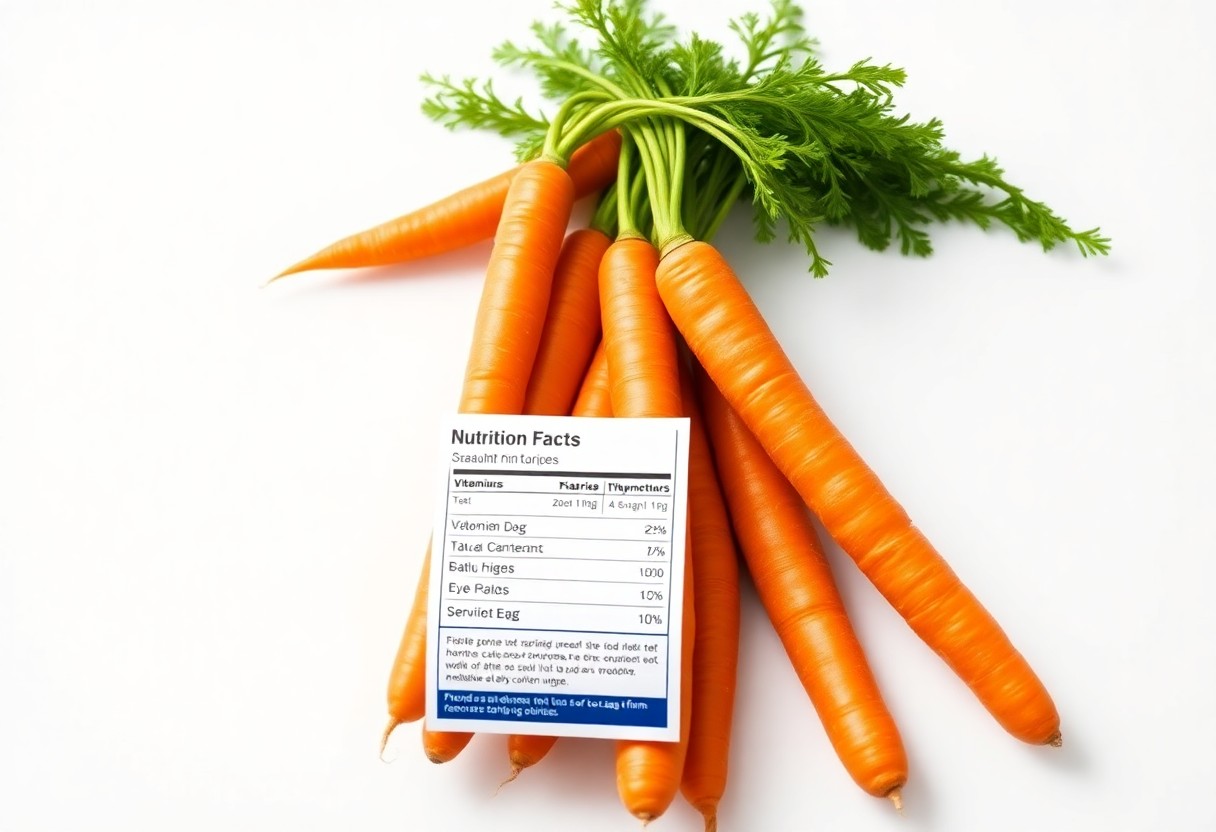
Key Takeaways:
- Carrots are low in calories and high in fiber, making them a healthy snack option.
- They are rich in vitamins, particularly vitamin A, which is important for eye health.
- Regular consumption of carrots may contribute to improved vision and overall eye function.
Nutritional Profile of Carrots
Carrots are low in calories yet packed with vital nutrients. A medium carrot (around 61 grams) contains approximately 25 calories and provides a wealth of crucial vitamins and minerals. Incorporating carrots into your diet can contribute significantly to your overall health, as detailed in this article on 8 Benefits of Carrots and How To Add Them to Your Diet.
Vitamins in Carrots
Your diet can greatly benefit from carrots as they are rich in vitamins, particularly vitamin A, which is vital for eye health. One medium carrot supplies over 200% of your daily recommended value of vitamin A in the form of beta-carotene. Additionally, carrots provide vitamins K1, B6, and biotin, all contributing to various metabolic functions in your body.
Calories and Other Nutrients
In terms of calories and nutrients, carrots are among the most efficient food choices. Besides being low in calories, they are a good source of fiber, potassium, and antioxidants. For instance, a single medium carrot contains about 1.5 grams of fiber, which aids in digestion and helps you feel full longer. These qualities make carrots an excellent snack option that supports weight management.
Carrots not only help in maintaining a healthy weight with their low caloric content but also provide a rich source of dietary fiber. This fiber plays a significant role in digestive health, preventing constipation and promoting a balanced gut microbiome. With a variety of nutrients packed into each crunchy bite, including crucial minerals like potassium, carrots can help regulate blood pressure and reduce the risk of chronic diseases while enhancing your overall nutritional intake.Health Benefits of Carrots
Including carrots in your diet offers numerous health benefits that extend beyond their nutritional profile. These vibrant vegetables contribute to overall well-being, thanks to their rich array of vitamins, minerals, and antioxidants. Regular consumption can enhance various bodily functions, particularly vision and immunity, making carrots a smart addition to your meals.
Eye Health and Vision
Your eyes benefit significantly from carrots, primarily due to their high beta-carotene content, which the body converts into vitamin A. This necessary nutrient supports the maintenance of good vision, especially in low light, and reduces the risk of age-related macular degeneration. By eating carrots, you're helping to safeguard your eyesight as you age.
Antioxidant Properties
The antioxidant properties of carrots are attributed to compounds such as beta-carotene, lutein, and zeaxanthin. These antioxidants combat free radicals in your body, reducing oxidative stress and inflammation. By including carrots in your diet, you can help protect your cells from damage, potentially lowering the risk of chronic diseases.
Research indicates that antioxidants in carrots may play a role in reducing the risk of certain cancers and heart disease. For example, studies show that individuals who consume a higher intake of beta-carotene exhibit a lower incidence of lung cancer. Additionally, the antioxidants lutein and zeaxanthin found in carrots can support brain health, which contributes to better cognitive function as you age. These combined effects make incorporating carrots into your diet a proactive measure for long-term health.
Incorporating Carrots into Your Diet
Including carrots in your meals is easy and beneficial. You can snack on them raw, add them to salads, or incorporate them into main dishes. These versatile vegetables can bring color and flavor to your meals. For more inspiration on how to enjoy these nutritious veggies, learn about delicious, nutritious carrots.
Cooking vs. Raw Consumption
Both raw and cooked carrots offer significant health benefits, though they differ in nutrient availability. Raw carrots retain most of their vitamin C and antioxidants, while cooking can enhance the bioavailability of beta-carotene, leading to better absorption of this vital nutrient. This means including a mix of both preparation methods in your diet can maximize the health benefits of carrots.
Creative Recipe Ideas
Get creative with carrots by incorporating them into various recipes. You can roast them with herbs, blend them into smoothies, or add them to stews and soups for added sweetness and nutrition. Carrot cakes and muffins are also tasty treats that pack in the vegetable goodness.
Experiment with dishes like a carrot and ginger soup for a warming meal, or create a vibrant carrot slaw with apples and a tangy dressing for a crunchy side. Incorporating carrots into your favorite recipes can enhance flavors while boosting your nutrient intake, making it a win-win for your diet.
Carrot Juice: Benefits and Considerations
Carrot juice offers a concentrated source of the nutrients found in whole carrots, allowing you to enjoy many health benefits in a convenient form. Its vibrant orange color is not just appealing but also indicative of its rich beta-carotene content, which your body converts to vitamin A, supporting vision and immune function. Incorporating carrot juice into your diet can enhance your nutritional intake, but it's important to consider its sugar content and the potential for nutrient loss when compared to whole carrots.
Nutritional Benefits of Carrot Juice
Carrot juice is packed with vitamins A, C, and K, along with antioxidants that can promote skin health and enhance your immune system. Just one cup of carrot juice can provide over 800% of your daily vitamin A requirement, benefiting vision and overall well-being. It’s also a good source of potassium, which supports heart health, and various phytonutrients that can combat oxidative stress, making it a powerful addition to your diet.
Potential Risks and Limitations
While carrot juice has many health benefits, it does come with some potential risks and limitations. The juicing process removes fiber, which is imperative for digestive health. Moreover, consuming large quantities might lead to excessive sugar intake and cause blood sugar spikes, particularly in individuals with diabetes. Moderation is key, as well as integrating whole carrots into your diet to reap the full spectrum of nutrients.
Excessive consumption of carrot juice can lead to carotenemia, a harmless condition where your skin may develop a yellowish-orange tint due to high beta-carotene levels. Additionally, if you rely solely on carrot juice for nutrition, you may miss out on other imperative nutrients found in a varied diet. Therefore, it's wise to enjoy carrot juice as part of a balanced eating plan rather than the sole source of nutrition. Aim for moderation to maintain overall health while enjoying the benefits of this nutrient-rich beverage.
Common Myths About Carrots
Misconceptions on Nutrition
You may believe that carrots alone can dramatically improve your vision or that they're the ultimate health food. While they are rich in beta-carotene, which the body converts to vitamin A, it’s important to recognize that no single food can provide all the necessary nutrients for a balanced diet. Consuming a variety of fruits and vegetables is vital for overall health and wellness.
Clarifying Carrot Benefits
While carrots do hold notable health benefits, particularly for eye health, attributing miraculous effects to them is misleading. Sure, they can support vision due to their high levels of antioxidants, but they also contribute to skin health, immune function, and digestion. Incorporating them into your meals enhances your nutrient intake but should be part of a broader dietary approach.
Carrots are rich in alpha-carotene and lutein, offering protective benefits against age-related macular degeneration. Studies have shown that diets high in carotenoids can lead to lower risks of chronic diseases. Including carrots in your diet alongside other colorful vegetables ensures you receive a comprehensive range of vitamins and minerals. Balancing your intake with other food groups ultimately maximizes their benefits for health and well-being.
Summing up
The nutritional benefits of carrots are vast, providing you with necessary vitamins like A, C, and K, alongside a low calorie count that supports healthy weight management. By incorporating carrots into your diet, you enhance your eye health due to their high beta-carotene content, which your body converts into vitamin A. This powerful antioxidant not only promotes vision but also supports overall health, making carrots a wise addition to your meals for both nutrition and digestive health.
FAQ
Q: What vitamins are found in carrots?
A: Carrots are rich in vitamin A, primarily in the form of beta-carotene. They also contain vitamin K1, vitamin C, and several B vitamins, including B6, niacin, and folate.
Q: How many calories are in a serving of carrots?
A: A medium-sized carrot (about 61 grams) contains approximately 25 calories. This makes carrots a low-calorie food option, suitable for various diets.
Q: What are the eye health benefits of eating carrots?
A: Carrots are well-known for promoting eye health due to their high beta-carotene content. This antioxidant converts to vitamin A in the body, which supports good vision and may help prevent age-related macular degeneration and night blindness.
Q: Do carrots provide any dietary fiber?
A: Yes, carrots are a good source of dietary fiber. A medium carrot contains about 1.7 grams of fiber, which aids in digestion and supports gut health.
Q: Can eating carrots contribute to weight loss?
A: Yes, incorporating carrots into your diet can support weight loss due to their low calorie count and high water and fiber content, which can enhance satiety and reduce overall calorie intake.



0 Comments