Just prioritize nutrient-dense, satiating foods so you can lose weight while meeting your nutritional needs; this guide highlights protein-rich choices, high-fiber vegetables, healthy fats, and smart carbs, plus practical swaps and meal combos to keep you full and energized. For pairing ideas see 14 Great Food Combos for Losing Weight. You’ll get evidence-based strategies to make sustainable changes that fit your lifestyle.
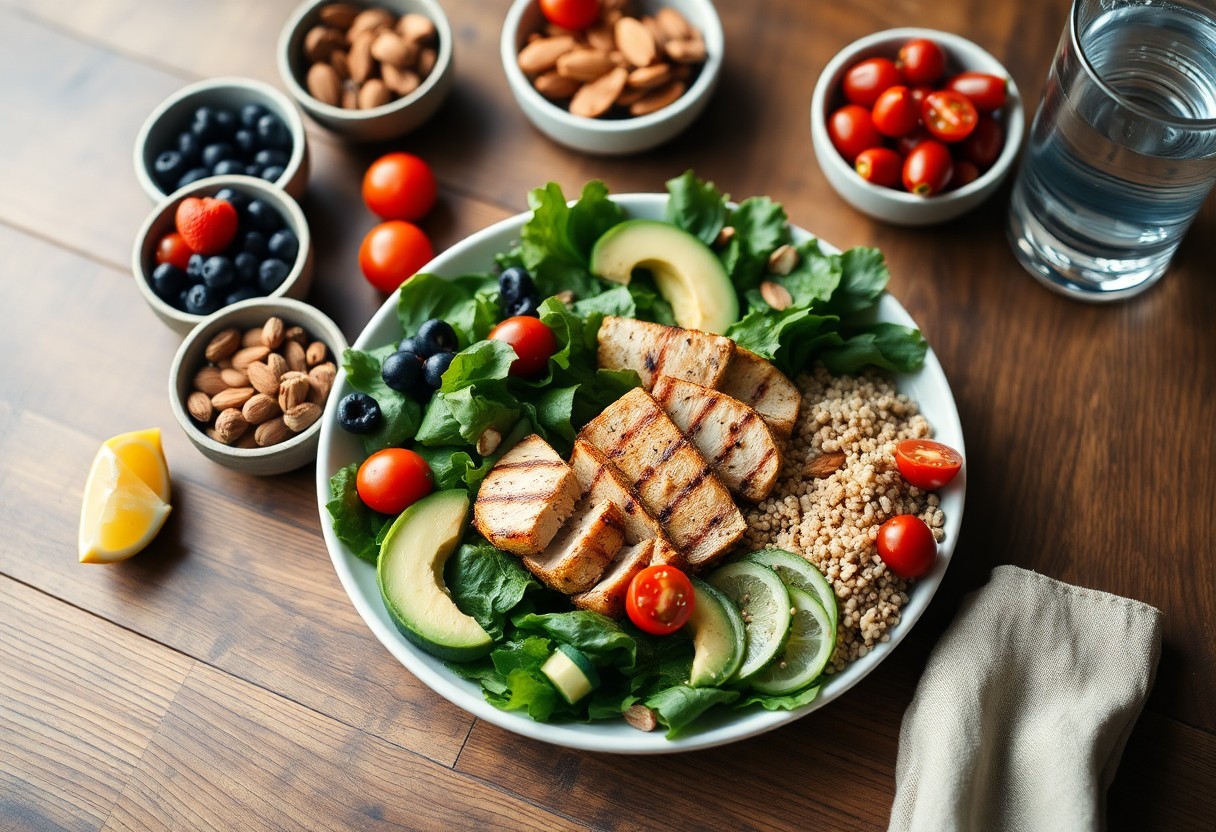
Key Takeaways:
- Choose whole, minimally processed, nutrient-dense foods - lean proteins, legumes, vegetables, fruits, whole grains, nuts/seeds - to boost protein and fiber intake for fullness and muscle support.
- Make simple swaps and control portions: replace refined carbs and sugary drinks with whole grains, extra vegetables, and water or unsweetened beverages; favor grilling, steaming, or roasting over frying.
- Balance macronutrients and build sustainable habits: include protein and fiber at each meal, incorporate healthy fats in moderation, plan meals or prep, and avoid extreme calorie restriction for long-term results.
Understanding Weight Loss and Nutrition
When you pursue fat loss, aim for a consistent energy gap while keeping meals nutrient-rich; a 500 kcal/day deficit typically yields about 1 lb (0.45 kg) per week. Prioritize proteins, fiber, and micronutrients so weight loss doesn’t cost your health; see practical options in 16 Healthy Foods to Support Weight Loss for evidence-backed choices that boost satiety and nutrient intake.
The Role of Caloric Deficit
Sustaining a moderate calorie deficit drives weight loss because stored fat supplies the shortfall in energy; a 250-500 kcal daily gap slows loss for better adherence, while 500 kcal often gives ~1 lb/week. You should avoid overly aggressive deficits-aim for roughly 1-2 lb (0.45-0.9 kg) weekly-and monitor hunger, strength, and performance so metabolic adaptation doesn’t stall progress.
Importance of Nutrient-Dense Foods
Focusing on nutrient-dense choices means each calorie delivers protein, fiber, vitamins, and minerals that support metabolism and recovery; examples include leafy greens, berries, legumes, eggs, fatty fish, and Greek yogurt. You’ll feel fuller on fewer calories when meals emphasize volume from vegetables plus lean protein and intact grains.
Practically, target 1.2-1.6 g protein per kg body weight to preserve lean mass, 25-38 g fiber daily for appetite control, and include sources of omega-3s and iron; build plates with half vegetables, a quarter protein, and a quarter whole grains or starchy veg to balance satiety, micronutrients, and sustainable energy.
Key Diet Food Options
Prioritize lean proteins, fiber-rich vegetables, whole grains, and healthy fats to keep you full while preserving nutrition. Aim for roughly 25-30% of calories from protein, 20-35% from fat, and 25-30 g of fiber daily. Examples you can use: 3-4 oz (85-113 g) chicken or fish, ½ cup cooked quinoa, 1 tbsp olive oil, and a 1 oz handful of nuts.
Lean Proteins
Lean proteins like skinless chicken, turkey, white fish, tofu, and low-fat Greek yogurt typically deliver 20-30 g protein per 3-4 oz serving and raise satiety via a high thermic effect (≈20-30% of energy burned). When you prioritize these, you protect lean mass during calorie restriction and help stabilize blood sugar; aim for ~25-30% of daily calories from protein or about 1.2 g/kg if you’re actively dieting.
Healthy Fats
Choose monounsaturated and omega‑3 sources such as extra‑virgin olive oil, avocado, walnuts, chia seeds, and fatty fish; 1 tbsp olive oil ≈120 kcal while 3 oz (85 g) salmon supplies about 1.5-2 g EPA+DHA. Because fats are calorie‑dense, you control portions-e.g., 1 tbsp oil or a 1 oz nut serving-to add satiety and support heart and metabolic health without overshooting your calorie target.
Swap simple items to incorporate healthy fats: replace butter with 1 tbsp olive oil for cooking, snack on 1 oz (about 23) almonds instead of chips, and add 1 tbsp ground flaxseed to smoothies for ALA. Large trials like PREDIMED (≈7,000 participants) linked diets enriched with olive oil or nuts to better cardiovascular outcomes, and you can use these practical swaps to get similar nutrient benefits while managing calories.
Incorporating Vegetables and Fruits
You can leverage vegetables and fruits to add bulk, nutrients and flavor while lowering overall meal energy density; for example, filling half your plate with leafy greens, cucumbers or steamed broccoli (15-35 kcal/100 g) and adding a serving of berries or an apple supplies vitamins, antioxidants and fiber without many calories, which helps reduce total intake across the day and supports steady weight-loss progress.
Low-Calorie Options
Choose cucumbers (≈16 kcal/100 g), zucchini (≈17 kcal/100 g), romaine or mixed salad greens (≈15-20 kcal/100 g) and cauliflower (≈25 kcal/100 g) so you can eat large portions for minimal calories; you might use zucchini noodles instead of pasta, cauliflower rice under stir-fries, or big raw salads to increase satiety while keeping meals under your calorie target.
High-Fiber Choices
Prioritize raspberries (~6.5 g fiber/100 g), pears with skin (~3 g/100 g), apples with skin (~2.4 g/100 g) and vegetables like artichokes and broccoli (artichoke often provides ~7 g per medium globe) to slow digestion and extend fullness between meals, making it easier for you to stick to a calorie deficit.
To meet recommended intake-about 25 g/day for women and 38 g/day for men-you can combine a cup of raspberries (≈8 g fiber), a medium pear (≈5-6 g), a cup of cooked broccoli (≈5 g) and a half-cup of cooked beans (≈6-8 g) across the day; pairing fiber-rich fruits and vegetables with protein or healthy fats (Greek yogurt, a handful of nuts, or olive oil) further stabilizes blood sugar and reduces post-meal hunger, so you stay within your calorie goals while preserving nutritional quality.
Whole Grains vs. Refined Grains
You’ll see the difference in how your body responds: whole grains (oats, quinoa, brown rice, barley) deliver intact bran, germ and endosperm, slowing digestion and stabilizing blood sugar, while refined grains (white bread, white rice, pastries) are stripped of fiber and micronutrients and digest quickly, spiking glucose and appetite; for example, a typical serving of whole-grain oatmeal gives ~3-5 g fiber versus under 1 g in a similar refined-grain serving, which affects satiety and calorie control.
Benefits of Whole Grains
You gain sustained fullness, more fiber (usually 3-5 g per ½ cup cooked), B vitamins, magnesium and antioxidants when you choose whole grains; studies link regular whole-grain intake to better weight maintenance and lower post-meal glucose, and practical swaps-brown rice for white, whole-wheat pasta for refined-can reduce hunger-driven snacking and help you lower overall calorie intake without sacrificing energy or nutrients.
The Impact of Refined Carbs
You’ll notice refined carbs raise your blood sugar faster-white bread has a glycemic index around 70-75 versus ~50 for whole-grain versions-so they trigger quicker insulin release and earlier return of hunger, often within 1-2 hours; low fiber (<1 g per serving), higher added sugars and rapid digestion make refined foods more likely to promote overeating and central fat accumulation when consumed frequently.
Beyond appetite, frequent glucose spikes from refined carbs promote repeated insulin surges that favor fat storage and can worsen lipid profiles; intervention studies show improving carbohydrate quality-replacing refined with whole grains-improves fasting insulin and postprandial glucose, so swapping one refined item a day for a whole-grain alternative can measurably support your metabolic health and weight-loss efforts.
Healthy Snack Alternatives
You can swap chips for snacks under 200 kcal that provide fiber and protein; aim for 8-12 g protein and 3-5 g fiber per serving. Studies including Food choices for weight loss: what dietary strategies would ... show higher satiety with protein-rich bites. Try 1 hard-boiled egg (78 kcal), 20 almonds (≈140 kcal), or 1/2 cup Greek yogurt with berries (90-120 kcal) to curb cravings while supporting nutrition.
Nutrient-Rich Snack Ideas
You should choose snacks that pack vitamins and staying power: carrot sticks with 2 tbsp hummus (80-100 kcal, ~3 g protein), 1 small apple with 1 tbsp peanut butter (≈150 kcal, 4 g protein), 1/2 cup cottage cheese (≈12-14 g protein), or 1 cup edamame (≈17 g protein, 8 g fiber). These deliver 5-15 g protein or 3-8 g fiber to help you stay full between meals.
Portion Control Strategies
You can pre-portion snacks into 100-200 kcal servings and store them in small containers to avoid overeating. Use a digital scale: 1 oz (28 g) of nuts ≈160-170 kcal and 20 almonds ≈30 g. Apply the plate method even for snacks-half vegetables, a quarter protein, a quarter whole grain-or use measuring cups and 6-8 small snack bags to plan a week’s portions.
You should pace snacks to match hunger and use the 20-minute rule: eat slowly and pause to reassess fullness after 15-20 minutes. Visual cues help-your palm ≈3 oz (85 g) protein, a tennis ball ≈1/2 cup carbs. Favor low-energy-density items (air-popped popcorn, vegetables) to get volume for 50-100 kcal per cup, and avoid eating straight from packages to reduce unconscious intake by up to ~30%.
Meal Planning for Success
Plan weekly menus and shopping lists to cut decision fatigue; batch-cook 2-3 recipes on one day to yield 8-12 servings and save 60-90 minutes per week. Use a template: breakfasts, lunches, dinners, two snacks daily, and swap ingredients to keep variety. Target 400-600 kcal per main meal depending on activity level, label containers with portions, and schedule one 20-30 minute midweek refresh to avoid spoilage and waste.
Creating Balanced Meals
Build plates with half non-starchy vegetables, one-quarter lean protein (aim for 20-30 g per meal like 4 oz chicken or 5 oz salmon), and one-quarter whole grains or starchy veg. Add 1-2 tablespoons of healthy fat for absorption-olive oil or avocado-and include fiber targets of 25-30 g daily. For example, a meal of 4 oz grilled salmon, 1/2 cup cooked quinoa, 2 cups roasted broccoli, and 1/4 avocado fits these ratios and satiety goals.
Preparing for Cravings
Pre-portion satisfying snacks (100-200 kcal) so you can grab a planned option when cravings hit: apple with 1 tbsp peanut butter (~190 kcal), 3/4 cup Greek yogurt (~120 kcal, 12-15 g protein), or 1/2 cup cottage cheese (~12 g protein). Use a 10-minute pause strategy and have a short activity list-walk, call a friend, hydrate-to separate physiological hunger from emotional urges.
Use a hunger scale (1-10) to decide: if you’re under 6, try a non-food coping tactic first; if above 6, pick a protein-rich snack with 10-15 g protein and some fiber. Plan meals every 3-4 hours, store healthy options at eye level, and pre-portion treats into single-serve bags once weekly so you control portions without feeling deprived.
Final Words
With this in mind, you can focus on nutrient-dense, lower-calorie choices-lean proteins, fiber-rich vegetables, whole grains, and healthy fats-that support steady weight loss without sacrificing nutrition; plan meals, control portions, and vary foods so your diet meets energy and micronutrient needs while remaining satisfying and sustainable.
FAQ
Q: What protein-rich foods best support weight loss without compromising nutrition?
A: Prioritize lean animal proteins (chicken breast, turkey, lean cuts of beef), fatty fish (salmon, mackerel) for omega-3s, and plant proteins (lentils, chickpeas, black beans, tempeh, tofu). Include low-fat dairy and Greek yogurt for calcium and higher protein density. Aim for 20-30 g of protein per meal to preserve muscle mass and increase satiety; combine with fiber-rich vegetables or whole grains to slow digestion and balance the meal.
Q: Which high-fiber foods help with weight loss and how should I incorporate them?
A: Choose whole grains (oats, barley, brown rice), legumes, vegetables (broccoli, Brussels sprouts, leafy greens), fruits with skin (apples, pears, berries), nuts, and seeds. Soluble fiber (oats, beans, psyllium) helps reduce appetite and moderate blood sugar; insoluble fiber (whole grains, vegetables) improves digestion. Gradually increase intake to 25-35 g/day and drink water to reduce gastrointestinal discomfort. Add a vegetable to every meal, swap refined grains for whole grains, and use beans in salads, soups, and bowls.
Q: What healthy fats can I eat while trying to lose weight, and what are practical portion ideas?
A: Favor monounsaturated and polyunsaturated fats: olive oil, avocado, nuts, seeds, and fatty fish. These fats support nutrient absorption and satiety but are calorie-dense; keep portions small (1 tbsp olive oil, 1/4 avocado, or a small handful [about 14-20 g] of nuts). Use fats to dress salads, finish cooked vegetables, or as part of a balanced snack paired with protein and fiber to prevent overeating.
Q: What nutrient-dense, low-calorie meals and snacks can prevent hunger without sacrificing nutrition?
A: Build meals around vegetables and lean protein: vegetable omelet with spinach and tomatoes, grilled fish with steamed greens and a small quinoa portion, or a big salad with chickpeas and a drizzle of olive oil. Snacks: Greek yogurt with berries, raw vegetables with hummus, cottage cheese with cucumber, or air-popped popcorn. Choose whole-food snacks that combine protein and fiber to extend fullness and supply vitamins and minerals.
Q: How should I structure meals and portions to support sustainable weight loss while meeting nutrient needs?
A: Use a simple plate model: half non-starchy vegetables, one quarter lean protein, one quarter whole grains or starchy vegetables, plus a small portion of healthy fat. Aim for regular meals (e.g., three meals and 1-2 planned snacks) to control hunger, plan portions (use measuring tools or hand portions), and rotate foods to cover micronutrients. Include foods rich in iron, calcium, vitamin D, and B12 if limiting animal products; consider a multivitamin or dietitian guidance if you have restrictions or medical conditions.



0 Comments