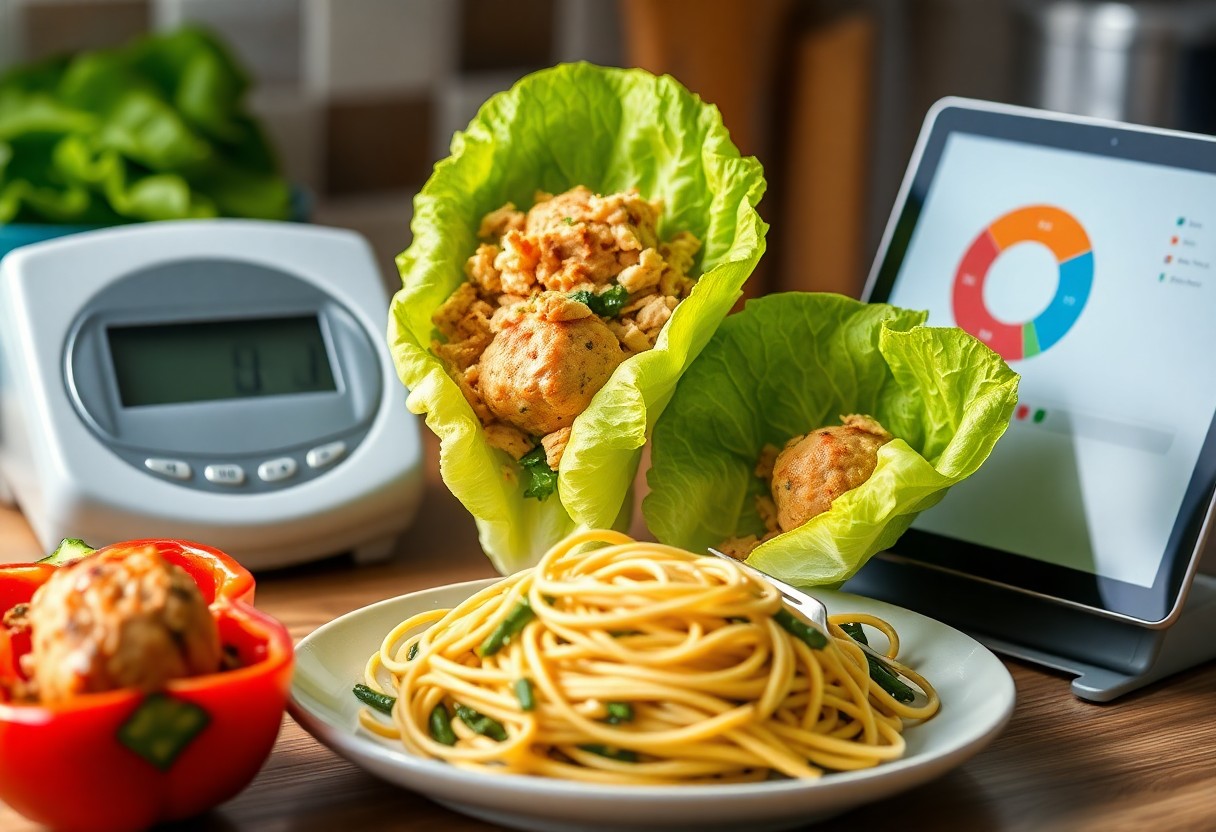
It's easy to build satisfying, nutrient-dense meals with chicken when you focus on high-protein, low-carb techniques; you'll learn practical recipes, cooking tips, and macronutrient-minded substitutions that keep your meals flavorful and aligned with keto goals. You'll discover lean cuts, protein boosters, and smart fats to optimize satiety and muscle support while minimizing carbs for consistent ketosis.
Key Takeaways:
- High-protein, low-carb chicken recipes support muscle maintenance, increase satiety, and aid weight management and stable blood sugar.
- Focus on healthy fats (olive oil, avocado, butter) and low-carb seasonings; avoid sugary marinades and breading to keep carbs minimal.
- Versatile cooking methods (grilling, baking, air-frying, slow-cooker) plus swaps like cauliflower rice or zucchini noodles make keto chicken ideal for meal prep.
Understanding the Keto Diet
When you follow keto you shift your body from glucose to fat-derived ketones by keeping net carbs low-typically under 20-50 g/day-while increasing dietary fat and moderating protein; many people enter ketosis within 2-4 days. Practical meals like a Keto Chicken Stir Fry show how chicken delivers 25-40 g protein per serving while fitting tight carb limits and supplying satiating fats and electrolytes.
Principles of the Keto Diet
You aim for macro ranges that favor fat (about 65-75% of calories), moderate protein (roughly 20-30%), and very low carbs (5-10%), which keeps insulin low and supports ketone production. Meal planning focuses on high-fat foods, low-carb vegetables, and lean proteins like chicken, ensuring you hit targeted grams-rather than vague portions-to maintain metabolic state and support activity or muscle maintenance.
Benefits of a High Protein, Low-Carb Diet
You’ll likely experience reduced appetite, improved body composition, and better blood glucose control; studies often show greater short-term weight loss versus low-fat approaches over 3-6 months. Higher protein intake also helps preserve lean mass during calorie deficits, so your weight loss favors fat rather than muscle.
For actionable targets, aim for 1.2-2.0 g/kg protein depending on activity level: a 70 kg person consuming 90-140 g protein daily (about 30-45 g per meal) supports recovery and satiety while keeping carbs low; pairing that with high-quality fats and chicken-based meals gives you practical, measurable results.
Essential Ingredients for Keto Chicken Recipes
Center your plate on high-fat, low-carb components that boost flavor and satiety: olive oil, ghee, butter, heavy cream and hard cheeses like Parmesan. Add low-carb veg-spinach, zucchini, cauliflower-and aromatics such as garlic, rosemary and thyme. Keep sauces under about 5 g net carbs per serving to preserve ketosis, and aim for 20-40 g protein per meal from chicken to support muscle maintenance. Use thickeners like xanthan gum sparingly for glossy, carb-light sauces.
High-Quality Chicken Options
Choose cuts that match your macro goals: skinless chicken breast delivers roughly 31 g protein per 100 g and is ultra-lean, while thighs give ~26 g protein and 8-11 g fat per 100 g, ideal for keto. You can use bone-in pieces for collagen-rich stock, or shredded rotisserie for quick meals. If you can, opt for pasture-raised or organic for a better fatty acid profile, and always cook to 165°F internal temperature for safety.
Low-Carb Flavor Enhancers
Use zero-carb olive oil and herbs, garlic, and spices liberally to amplify taste without carbs; one tablespoon of lemon juice adds only ~1 g carbs if you need brightness. Incorporate umami with anchovy paste or 1-2 tbsp tamari, and finish with 1-2 tbsp heavy cream (≈0.4 g carbs per tbsp) or a sprinkle of hard cheese (often <1 g carbs per ounce) for richness that keeps net carbs low.
Combine flavor elements in simple formulas: make garlic-herb butter with 2 tbsp butter, 1 clove minced garlic and 1 tbsp minced parsley; prepare a pan sauce by deglazing with 1 tbsp lemon juice, 2 tbsp chicken broth and 1 tbsp heavy cream, thickened with a pinch of xanthan gum. You’ll get consistent results by measuring these small amounts, using anchovy paste or Parmesan for extra umami, and adjusting salt to taste.
Quick and Easy Keto Chicken Recipes
Pick recipes that shave prep and cook time without sacrificing macros: think 15-20 minute skillet meals, sheet-pan bakes, and one-pot stews. You can rely on bone-in thighs for fast flavor and higher fat, or lean breasts if you want more protein per ounce; a typical quick keto chicken dinner should take under 30 minutes, serve 2-4 people, and keep net carbs roughly under 8 grams per serving by focusing on non-starchy veggies and high-fat sauces.
15-Minute Chicken Stir-Fry
Sear 10 oz sliced boneless chicken (about 2 breasts) in 1 tbsp sesame oil for 3-4 minutes, add 1 cup broccoli and ½ cup sliced bell pepper, stir in 1 tbsp tamari and 1 tsp grated ginger, then finish in 6-8 minutes-total cook time ~15 minutes. You’ll get roughly 30-40 g protein per serving, vibrant veggies, and an estimated 5-7 g net carbs per serving when divided for two.
Creamy Garlic Parmesan Chicken
Sear 4 bone-in thighs or 2 large breasts 4-5 minutes per side, then simmer in a sauce of ½ cup heavy cream, ½ cup grated Parmesan, and 4 crushed garlic cloves for 5 minutes until thickened; add a handful of spinach if desired. This yields about 30-40 g protein and 25-35 g fat per serving, with net carbs typically under 6 g when served without starchy sides.
For texture and variety, you can swap chicken thighs for breasts, bake at 375°F for 18-22 minutes after searing, or stir in 1-2 tbsp cream cheese for extra body. Use 1/8 tsp xanthan gum to thicken without flour, or fold in ¼ cup plain Greek yogurt off-heat for tang and lower fat. Store leftovers in the fridge 3-4 days and reheat gently to prevent sauce separation.
Meal Prep Ideas for Keto Chicken Dishes
Batch Cooking Techniques
You can streamline weekly meals by batch-cooking 6-8 boneless skinless breasts (≈3-4 lb) at 400°F for 20-25 minutes or slow-cooking 3-4 lb of thighs for 3-4 hours on low; sous-vide at 145°F for 1-2 hours yields uniform texture. Portion cooked chicken into 4-6 oz servings, add a tablespoon of fat per container, and label with date and net carbs so you hit protein targets and simplify tracking.
Storing and Reheating Tips
After cooking, cool chicken to room temperature within two hours, then refrigerate at 40°F or below; you can store cooked chicken 3-4 days or freeze portions for 2-3 months in airtight containers. Reheat slowly to an internal 165°F-use your oven at 325°F for 10-15 minutes or microwave covered in 60-90 second bursts-and add a spoonful of broth or butter to preserve juiciness and fats.
- Portion into single-meal servings (4-6 oz) so you can track protein and calories.
- Vacuum-seal or use airtight containers to limit freezer burn and preserve flavor.
- Label packages with date and macros so you grab the right meal.
- The safest refrigerator window is 3-4 days; freeze any portion older than that.
When you reheat, add moisture to restore texture-splash 1-2 tbsp chicken broth or melted butter per serving, cover with foil, and heat in your oven at 325°F until it reaches 165°F; sous-vide reheating at 130-140°F for 30-60 minutes works well for maintaining juiciness. If you use a microwave, pause halfway to stir and check hot spots and always verify temperature with an instant-read thermometer.
- Oven: covered at 325°F for 10-20 minutes, depending on portion size.
- Stovetop: slice and pan-sear in 1 tbsp oil for 3-5 minutes to refresh crust and flavor.
- Microwave: cover and reheat in 60-90 second bursts, stirring to avoid hot spots.
- The internal temperature must reach 165°F before you eat.
Nutritional Analysis of Keto Chicken Recipes
When you analyze macros, chicken is a protein-dense base: 100 g cooked breast supplies ~31 g protein, 3.6 g fat and nearly 0 g carbs, while dark meat with skin rises to ~26 g protein and ~11 g fat per 100 g. Sauces often add carbs and sodium, so you’ll want sugar-free versions-try the Best Sugar Free Low Carb Keto General Tso Chicken to keep net carbs minimal.
Macronutrient Breakdown
Focus on distribution: typical keto ranges are roughly 65-75% fat, 20-30% protein and 5-10% net carbs. For example, a 4 oz (113 g) chicken breast provides ~26-31 g protein; adding 1 tbsp olive oil (14 g fat) gives you a quick fat boost. You’ll balance meals by adjusting oils, butter, or avocado to meet your fat target while keeping carbs under your daily limit.
Protein vs. Carbs: Finding the Balance
Dialing protein matters because you need enough to preserve muscle-aim for about 0.6-0.8 g per lb (1.3-1.8 g/kg) of body weight depending on activity level; going far above that can raise gluconeogenesis and potentially affect ketosis. For instance, a 150-lb person would target ~90-120 g protein daily, then fit fats and under ~20 g net carbs around that protein goal.
Practically, set a net-carb cap (many keep it near 20 g/day) and hit your protein target first, then fill remaining calories with fats. If you consume 100 g protein (~400 kcal) and 20 g carbs (~80 kcal) on a 2,000 kcal day, you’d get ~1,520 kcal from fat (~169 g fat). A sample meal: 6 oz chicken breast (~52 g protein), 2 tbsp olive oil (~28 g fat), and 1 cup steamed spinach (~2 g net carbs) fits this model.
Tips for Successful Keto Cooking
Refine your technique by focusing on fat sources, seasoning, and doneness; swap 1 tbsp oil for 1 tbsp butter to raise fats.
- Choose bone-in, skin-on for added fat and flavor.
- Weigh portions-100 g cooked breast ≈31 g protein to set macros.
- Use almond flour or crushed pork rinds instead of breadcrumbs.
- Sear hot, then finish low to retain juices.
Thou test recipes and adjust fats to hit your daily macros.
Common Mistakes to Avoid
Overloading protein while skimping on dietary fat can stall ketone production; if you push protein above 30-35% of calories without raising fat, you may not enter ketosis. You also risk hidden carbs-store sauces can add 4-8 g net carbs per 2-tbsp serving, so read labels. Don’t trim all fat from chicken; leave skin or add fats for satiety, and limit refrigerated prep to 4-5 days for best texture and safety.
Tools and Gadgets for Keto Cooking
Invest in a kitchen scale, digital probe thermometer, and a heavy skillet; a scale helps you nail macros, and a probe ensures breast reaches 74°C/165°F without drying. Use an Instant Pot for shreddable thighs in 30-35 minutes and an air fryer to crisp skin in 10-15 minutes. Keep an immersion blender for silky cream-based sauces.
Choose a scale with 0.1 g precision if you track grams closely; reliable models under $30 suffice. Pick a probe thermometer with an alarm set to 74°C/165°F to prevent overcooking. A 5-6 qt Instant Pot yields tender bone-in chicken in ~30-35 minutes; set your air fryer to 200°C/400°F for 10-12 minutes to crisp skin evenly. A well-seasoned cast-iron skillet holds sear heat for perfect browning and flavor development.
To wrap up
With these considerations, you can confidently choose keto chicken recipes that maximize protein while keeping carbs low; prioritize lean cuts and nutrient-dense ingredients, include healthy fats and varied seasonings for satisfaction, and track your macros so your meals support muscle maintenance, steady energy, and sustainable progress toward your goals.
FAQ
Q: What chicken cuts work best for high-protein, low-carb keto recipes?
A: Boneless, skinless chicken breast delivers the highest protein-to-calorie ratio (about 31 g protein per 100 g cooked) with virtually zero carbs, making it ideal when you want maximum protein. Skin-on thighs or bone-in thighs provide more fat, which helps meet daily ketogenic fat targets while still keeping carbs minimal; they’re also more forgiving in the oven or skillet and stay moist. Use drumsticks or whole chicken when you want richer flavor and slightly higher fat content. Choose cuts based on whether you need lean protein (breast) or extra fat for satiety and flavor (thighs, skin-on).
Q: How can I prepare keto chicken quickly for busy weekdays while preserving high protein and low carbs?
A: Batch-cook chicken using roasting, poaching, or an Instant Pot to save time: roast breasts at 190°C (375°F) for 20-25 minutes, thighs at 200°C (400°F) for 30-35 minutes, or pressure-cook boneless chicken for 8-10 minutes then shred. Use an air fryer (180°C / 360°F for 15-20 minutes) for crisp results. Prep versatile, low-carb seasonings and high-fat dressings (olive oil, avocado oil, herb butter) ahead of time. Store portions in airtight containers and combine with quick sides (cauliflower rice, sautéed greens) for fast, balanced meals.
Q: What techniques keep keto chicken moist and flavorful without adding carbs?
A: Brine lean cuts briefly in a salt-and-water solution (or salt the surface 30-60 minutes before cooking) to improve juiciness. Marinate with oil, acid (lemon or vinegar), and herbs to tenderize and add flavor without carbs. Sear first to build a crust, then finish in the oven or cover and simmer gently to retain moisture. Use bone-in cuts or skin-on pieces when possible to increase fat and flavor. Finish with high-fat, low-carb sauces like garlic-butter, herb-garlic oil, or full-fat Greek yogurt-based dressings to boost richness.
Q: Which low-carb sauces and side dishes pair best with keto chicken recipes?
A: Creamy sauces-garlic-butter, lemon-caper butter, Alfredo made with heavy cream and Parmesan, avocado crema, or pesto-add fat without carbs when you avoid sugar and starchy thickeners. Low-carb sides include cauliflower mash, roasted Brussels sprouts, sautéed spinach, zucchini noodles, roasted asparagus, and shirataki or konjac-based noodle alternatives. Use xanthan gum sparingly as a low-carb thickener if a sauce needs body. Keep portion control on higher-carb vegetables and avoid sugary glazes or sweet sauces.
Q: How do I track macros for keto chicken meals and adjust recipes to meet protein and fat targets?
A: Weigh cooked portions with a kitchen scale and log them in a nutrition app to capture accurate macros; 100 g cooked chicken breast ≈ 31 g protein, 165 kcal, 0 g carbs, while 100 g cooked thigh ≈ 26 g protein, higher fat and calories. Add fats (olive oil, butter, avocado) to reach your target fat intake and include in macro totals. For higher protein, increase lean breast portions or add collagen/egg whites; for higher fat, keep skin-on cuts or add cream-based sauces and oils. Recalculate totals after cooking because moisture loss changes per-100 g values.



0 Comments