Most people overlook the significant benefits of adopting a plant-based diet, which can enhance your heart health, boost your energy levels, and support sustainable nutrition practices. By incorporating more whole foods like fruits, vegetables, grains, and legumes into your meals, you can improve cardiovascular health, increase vitality, and contribute to environmental sustainability. This blog post will explore the various advantages of a plant-based lifestyle and how it can positively impact your overall well-being.
Key Takeaways:
- A plant-based diet can lower cholesterol levels, reduce blood pressure, and improve overall heart health due to higher intake of fruits, vegetables, and whole grains.
- Rich in nutrients and low in calories, a plant-based diet promotes sustained energy levels throughout the day.
- This dietary approach supports sustainable nutrition by reducing the environmental impact associated with animal agriculture.
Understanding Plant-Based Diets
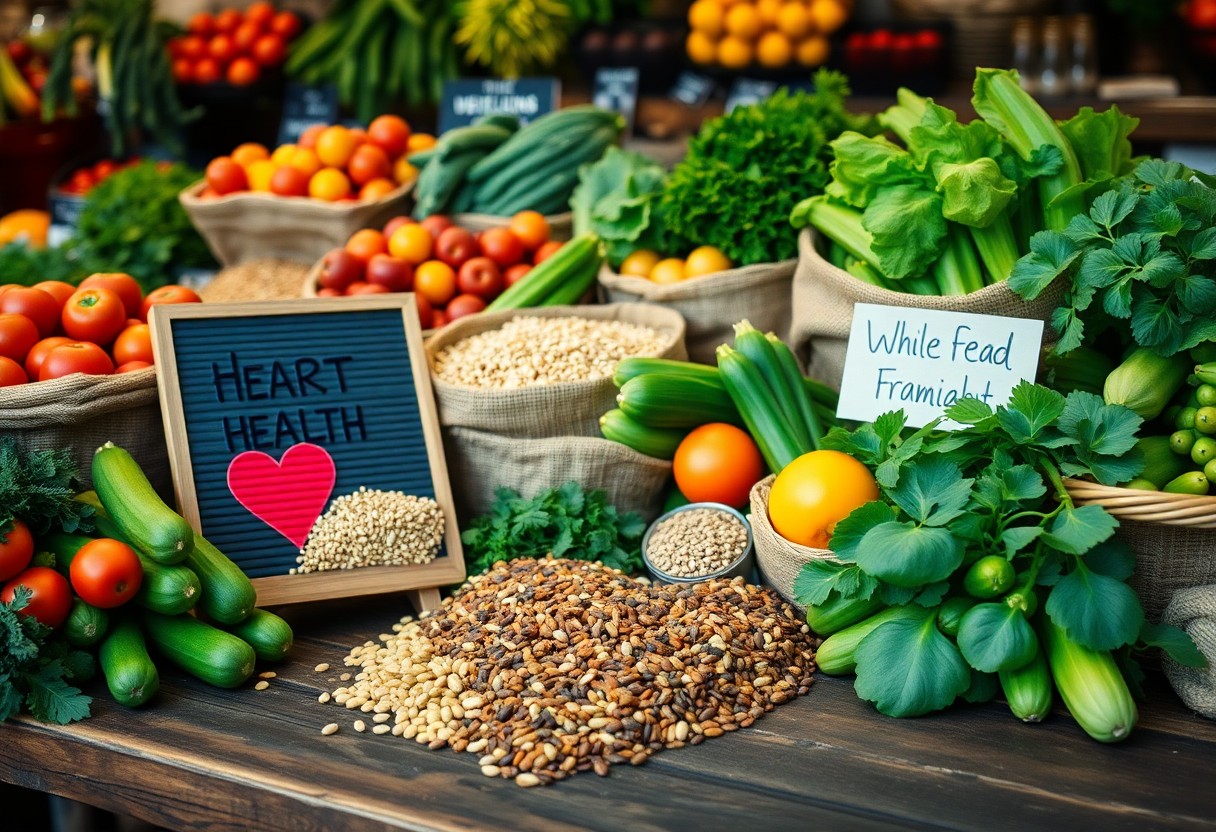
A plant-based diet emphasizes consuming whole, minimally processed plant foods. By prioritizing fruits, vegetables, whole grains, legumes, nuts, and seeds, you can support your heart health and overall well-being. This dietary approach typically limits or eliminates animal products, promoting sustainability and energy efficiency in food production.
Definition and Principles
A plant-based diet focuses primarily on foods derived from plants. This does not necessarily mean you must become vegetarian or vegan; instead, it encourages you to increase your intake of plant foods while reducing animal product consumption. The principles revolve around nutrient density, seasonal eating, and whole food choices that nourish your body and the planet.
Key Components
Key components of a plant-based diet include a variety of colorful fruits and vegetables, whole grains like quinoa and brown rice, legumes such as lentils and chickpeas, and healthy fats from nuts and seeds. By incorporating these elements, you ensure adequate fiber, protein, vitamins, and minerals, which collectively enhance heart health and sustain your energy levels throughout the day.
Emphasizing plant-based foods also introduces a diverse range of nutrients. For instance, leafy greens like spinach and kale are rich in magnesium and folate, while legumes provide necessary amino acids and fiber to support digestion. Whole grains, including oats and barley, contribute antioxidants and help stabilize blood sugar levels. By consuming a well-rounded selection from these categories, you not only bolster your heart health but also enable your body to function optimally and sustainably.
Heart Health Benefits
A plant-based diet offers significant advantages for heart health, driven by its rich content of fruits, vegetables, whole grains, and legumes. These foods provide imperative nutrients like fiber, vitamins, and antioxidants that combat inflammation and improve overall cardiovascular function. By prioritizing plant-based choices, you support your heart's health and can enhance your longevity.
Cardiovascular Disease Prevention
Adopting a plant-based diet lowers your risk of developing cardiovascular diseases, a leading cause of mortality worldwide. Studies have shown that individuals consuming primarily whole plant foods have a reduced risk of heart disease, with a 32% lower chance of heart attack compared to those with diets high in animal products.
Cholesterol and Blood Pressure Management
A plant-based diet is effective in managing cholesterol and blood pressure levels. Research highlights that individuals who follow this diet generally experience lower LDL cholesterol and improved blood pressure readings, leading to enhanced heart health. Incorporating items like oats, beans, and avocados in your meals can positively impact these key health indicators.
Boosting Energy Levels
A plant-based diet is your ally in maintaining high energy levels throughout the day. By integrating nutrient-dense foods like fruits, vegetables, and whole grains, you can experience sustained vitality. These foods provide imperative vitamins, minerals, and antioxidants that your body needs, avoiding the energy crashes often linked to processed foods. For more insights, check out the benefits of plant-based nutrition.
Nutritional Sources of Energy
Your energy levels directly correlate with the nutritional sources you choose. Foods like quinoa, lentils, and sweet potatoes are packed with complex carbohydrates, providing a steady release of energy. They also supply protein and fiber, important for overall health and satiety. By incorporating a variety of these foods, you ensure a balanced intake that supports your daily activities.
Long-Term Energy Sustainability
Adopting a plant-based diet fosters long-term energy sustainability by creating a solid foundation for your health. Unlike quick fixes, whole plant foods nourish your body deeply, leading to improved endurance and lower fatigue. Over time, this diet enhances metabolic efficiency, helping you maintain consistent energy levels, crucial for an active lifestyle.
This sustainable energy comes from the dietary fiber and low glycemic index of plant foods, preventing spikes and drops in blood sugar. Foods like beans and leafy greens provide a gradual energy release, keeping you energized longer. This not only enhances your daily productivity but also aids in recovery during physical activities, making it easier to stick to your fitness goals. Embracing this lifestyle means you fuel your body efficiently, leading to improved mental clarity and physical performance.
Sustainable Nutrition
A plant-based diet not only benefits your health but also promotes sustainable nutrition by minimizing the ecological footprint of your food choices. By relying on plant-based foods, you reduce demand for resource-intensive animal products, which require significant land, water, and energy. This shift can help safeguard the planet for future generations, as well as enhance global food security by making more efficient use of our agricultural resources.
Environmental Impact
Ethical Considerations
Choosing plant-based meals aligns with a commitment to ethical eating. It reflects a recognition of animal welfare and the moral implications of food production practices. A plant-based lifestyle encourages compassion towards living beings while challenging the industrial practices associated with animal agriculture.
Ethical considerations extend beyond animal welfare. They encompass labor practices in food production, land rights for indigenous peoples, and the impact of climate change on vulnerable communities. By opting for a plant-based diet, you contribute to reducing the exploitation of both animals and workers in the food system. Moreover, your choices can support regenerative agricultural practices that promote biodiversity and social equity, creating a ripple effect of positive change throughout the food supply chain.
Challenges of Adopting a Plant-Based Diet
Transitioning to a plant-based diet presents various challenges that can impact your journey toward improved health. Common hurdles include navigating social situations, finding adequate replacements for favorite foods, and managing cravings for animal products. Understanding these challenges can better prepare you for making sustainable changes in your eating habits.
Nutritional Deficiencies
Potential nutritional deficiencies often arise when adopting a plant-based diet, specifically concerning vitamins B12, D, iron, and omega-3 fatty acids. Without careful planning, you may miss out on important nutrients typically found in animal products, which could lead to energy drops and other health concerns.
Overcoming Common Barriers
Identifying and tackling common barriers allows you to successfully embrace a plant-based lifestyle. Start by educating yourself on alternative food sources for nutrients often lacking in a plant-based diet, such as fortified foods or supplements. Meal planning can simplify grocery shopping and ensure you have a variety of nutrient-dense options on hand. Additionally, joining support groups or communities can provide motivation and inspiration, making the transition smoother.
Many find that proactively seeking knowledge and resources helps break down the barriers associated with a plant-based diet. Creating a diverse meal plan can introduce you to a wide range of flavors and nutrients, reducing the temptation to revert to old eating habits. Engaging with like-minded individuals can also enhance your experience through shared recipes and advice. As you overcome challenges, the benefits of a well-rounded plant-based diet become increasingly apparent, reinforcing your commitment to this healthier lifestyle.
Transitioning to a Plant-Based Diet
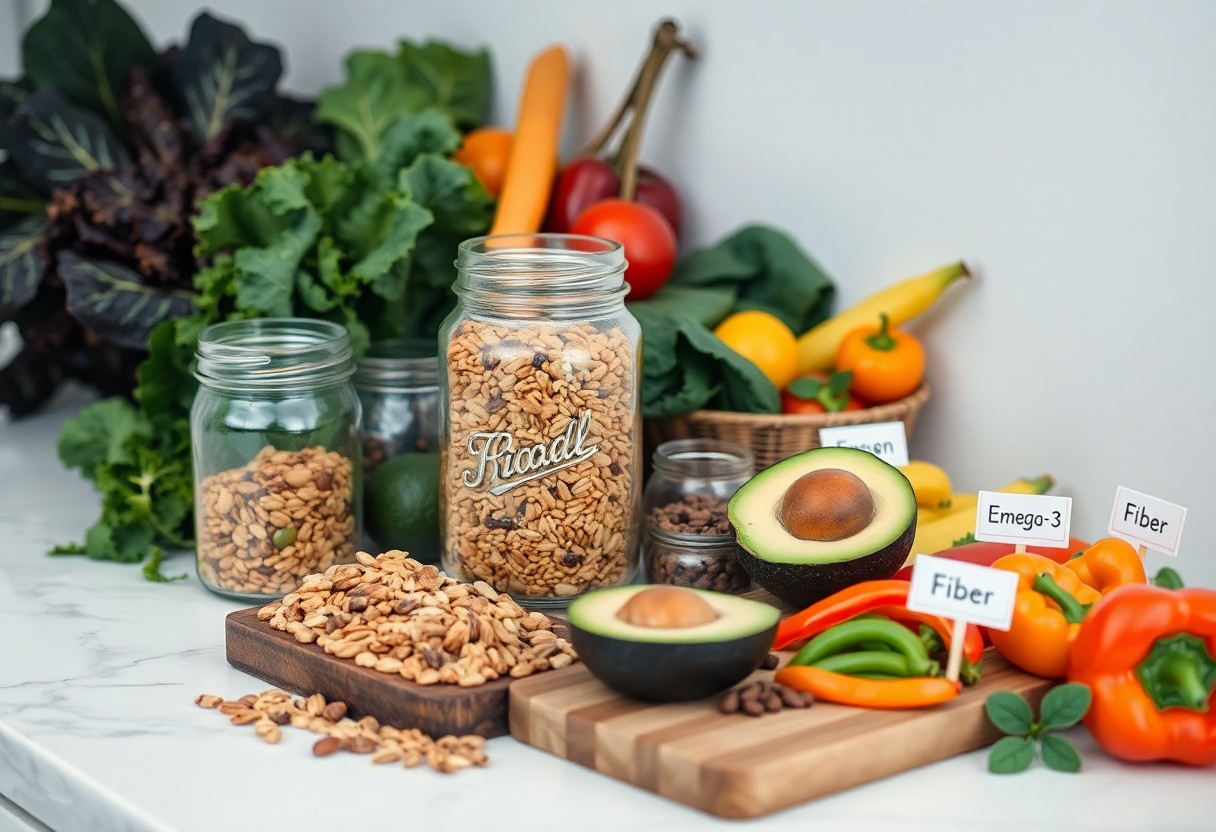
Transitioning to a plant-based diet can be a seamless journey when approached thoughtfully. Start by incorporating more plant foods into your meals while gradually reducing animal products. This allows your palate and body to adjust without feeling deprived, making it easier to adopt sustainable dietary changes long-term.
Gradual Changes
Implementing gradual changes can enhance your transition experience. Start with one vegan meal per day or commit to "Meatless Mondays." Each small step helps your body acclimate and fosters a sense of accomplishment, ultimately leading to a more consistent plant-based lifestyle.
Meal Planning and Preparation
Meal planning and preparation can significantly ease the transition to a plant-based diet. By planning your meals ahead of time, you ensure that you have a variety of nutritious options readily available, reducing the temptation to revert to less healthy choices. Consider dedicating a few hours each week to meal prep, such as chopping vegetables, cooking grains, or batch-making plant-based proteins for quick access during busy days.
Devoting time to meal planning can dramatically impact your success in this diet. Create a weekly menu featuring an array of colorful, whole foods, from quinoa bowls to lentil soups. Build a shopping list based on your menu to prevent impulse buys. Utilize apps or websites to discover new recipes and track your nutrient intake. Investing in reusable meal containers can also streamline your efforts, allowing for easy storage and access to meals, ensuring you stay energized throughout the week with wholesome, plant-based dishes. Your commitment to planning leads to healthier choices, fostering a sustainable lifestyle.
Conclusion
Conclusively, adopting a plant-based diet can significantly enhance your heart health, boost your energy levels, and promote sustainable nutrition choices. By focusing on whole foods, you can lower your risk of cardiovascular diseases, as indicated in studies on the Vegetarian Diet for Cardiovascular Disease Risk Reduction. Making these dietary adjustments not only benefits your well-being but also contributes positively to the environment.
FAQ
Q: What are the main heart health benefits of a plant-based diet?
A: A plant-based diet can lower blood pressure, reduce cholesterol levels, and decrease the risk of heart disease. Plant foods are typically high in fiber and antioxidants, which contribute to better cardiovascular health.
Q: How does a plant-based diet contribute to increased energy levels?
A: Plant-based diets are rich in complex carbohydrates, vitamins, and minerals, which provide sustained energy. Whole grains, fruits, and vegetables help maintain stable blood sugar levels, promoting overall energy and vitality.
Q: In what ways does a plant-based diet support sustainable nutrition?
A: Plant-based diets require fewer natural resources compared to meat-based diets. They reduce greenhouse gas emissions, conserve water, and use less land, making them more eco-friendly and sustainable for future generations.
Q: Can a plant-based diet provide all the necessary nutrients for optimal health?
A: Yes, a well-planned plant-based diet can provide all imperative nutrients, including protein, iron, calcium, and omega-3 fatty acids. Incorporating a variety of foods like legumes, nuts, seeds, and whole grains ensures nutrient adequacy.
Q: How can someone transition to a plant-based diet for heart health?
A: Start by gradually replacing animal products with plant-based options. Incorporate more fruits, vegetables, whole grains, and legumes into meals. Focus on nutrient-dense foods and consult a nutritionist for personalized guidance during the transition.



0 Comments