Physique transformation is attainable with the right training methods tailored for achieving a leaner body, enhanced strength, and visible muscle definition. By focusing on effective techniques and strategies, you can sculpt your body to showcase the results of your hard work. This post will guide you through various training approaches that optimize fat loss and promote muscle growth, ensuring you look and feel your best at the beach. Explore these methods to elevate your fitness journey and achieve the body you've always wanted.

Key Takeaways:
- Combination of resistance training and high-intensity interval training (HIIT) promotes muscle definition and fat loss.
- Incorporating functional movements enhances overall strength and supports athletic performance.
- Consistent cardiovascular exercise aids in achieving a leaner physique and improving endurance.
Understanding Beach Body Aesthetics
Beach body aesthetics emphasize a balance of leanness, muscle definition, and overall health. The ideal physique typically showcases visible abs, toned arms, and a defined chest, reflecting a commitment to both fitness and nutrition. Achieving this look goes beyond merely losing weight; it involves sculpting your body through specific training methods and dietary choices that enhance your natural shape while promoting well-being.
Key Components of a Lean Physique
A lean physique is primarily characterized by low body fat percentage, which allows for muscle definition and toning. This involves a combination of resistance training to build lean muscle, cardiovascular exercises for fat loss, and a nutrition plan rich in whole foods that supports your fitness goals. The synergy between these components fosters the appearance of a stronger, more toned body.
Importance of Strength in Body Composition
Strength training plays a pivotal role in transforming your body composition. By increasing muscle mass, you elevate your resting metabolic rate, which allows you to burn more calories even at rest. This change not only aids in achieving a leaner physique but also enhances your overall physical performance. Additionally, the interplay between strength and fat loss results in a more defined appearance, imperative for that coveted beach body look.
Incorporating a variety of strength-training exercises, such as compound movements like squats and deadlifts, builds multiple muscle groups simultaneously, maximizing efficiency. It's imperative to focus on progressive overload, which means gradually increasing the weight or resistance to continually challenge your muscles. Consistency in strength training, paired with adequate recovery and proper nutrition, ensures you not only enhance muscle definition but also improve strength and endurance necessary for a well-rounded, fit body. Quality over quantity in your workouts will yield significant results in both physique and functionality.
Training Techniques for Lean Muscle
To achieve a leaner physique, focus on a combination of resistance training and cardiovascular workouts. Prioritize compound movements like squats, deadlifts, and bench presses, which engage multiple muscle groups. These exercises promote muscle growth and improve overall strength. For a detailed guide, check out The ultimate beach-body workout that outlines effective strategies tailored for your goals.
Resistance Training Strategies
Incorporating resistance training into your regimen is vital for building lean muscle mass. Aim for a mix of heavy weights with lower repetitions and lighter weights with higher repetitions. This dual approach not only increases strength but also enhances muscle endurance. Structured routines, such as push-pull or upper-lower splits, help target specific muscle groups while allowing adequate recovery, maximizing your muscle gains.
High-Intensity Interval Training (HIIT)
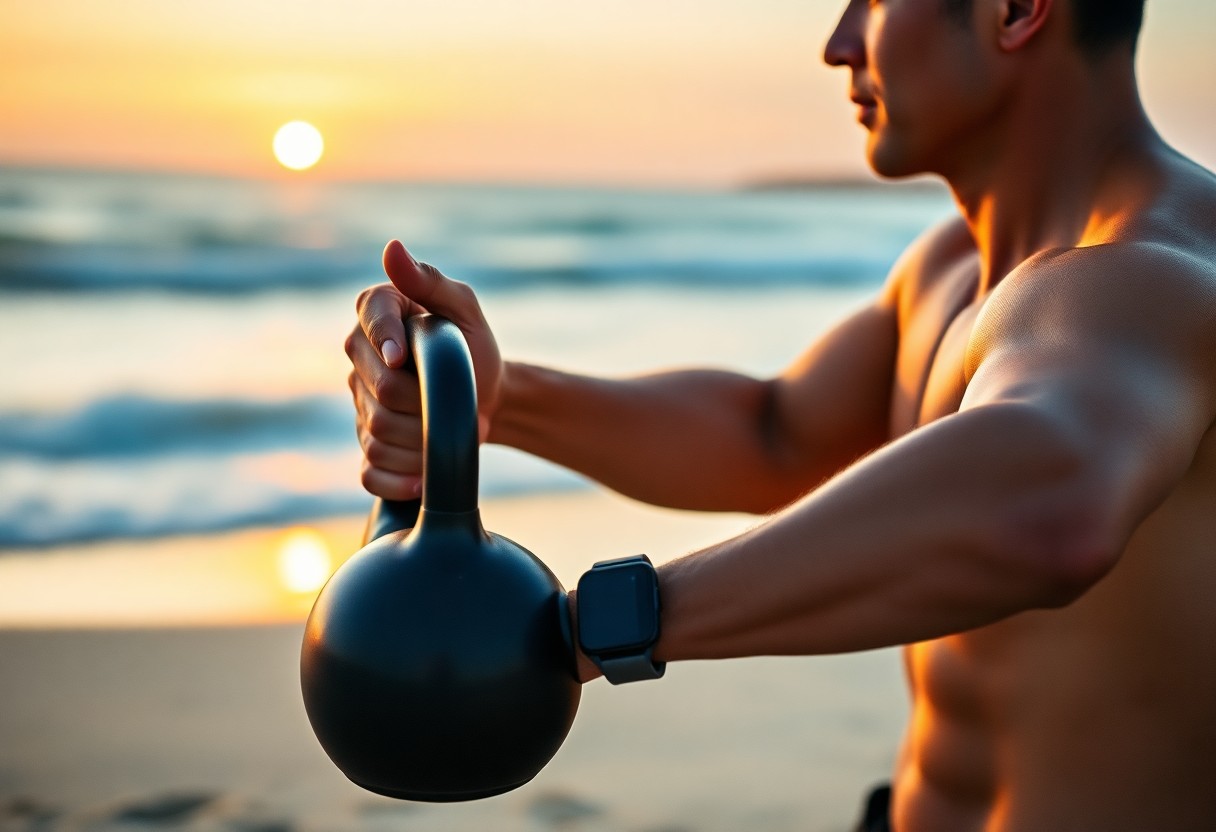
HIIT is an effective method for burning fat while preserving lean muscle. Short bursts of intense exercise followed by brief rest periods elevate your heart rate and optimize calorie expenditure. You can incorporate HIIT into your routine with exercises like sprints, burpees, or kettlebell swings, mixing them with lower-intensity recovery periods for a balanced workout.
For optimal results, aim for 20-30 minute HIIT sessions, two to three times a week. Research shows that HIIT can burn 25-30% more calories than traditional steady-state cardio in the same amount of time. This efficiency not only aids in fat loss but also keeps your muscles engaged, ensuring they remain defined and prominent as you work toward your beach body goals.
Nutrition for Optimal Results
Your diet plays a pivotal role in achieving a lean physique and visible definition. Prioritizing whole, nutrient-dense foods, such as lean proteins, healthy fats, and complex carbohydrates, will fuel your workouts and recovery. Focus on consuming adequate amounts of protein to support muscle repair and growth while keeping your carbohydrate intake moderate to facilitate fat loss. Rather than caloric restriction, emphasize nutrient timing around your training sessions to enhance your energy levels and metabolism.
Macronutrient Ratios for Leaning Out
Your macronutrient ratios should typically consist of approximately 30% protein, 30% healthy fats, and 40% carbohydrates. This balance will optimize fat loss while preserving lean muscle mass. Adjust these ratios depending on your activity levels and individual metabolism; for example, those with higher training frequencies may benefit from increasing their carbohydrate intake to sustain energy levels and support recovery.
Importance of Hydration
Staying hydrated is fundamental for peak performance and recovery. Adequate hydration enhances nutrient transport and digestion, which are vital for optimizing your workout results. Aim for at least half your body weight in ounces of water daily, increasing your intake during workouts to account for losses through sweat.
Incorporating hydration strategies can significantly improve your overall training outcomes. Dehydration, even at mild levels, can negatively affect strength, endurance, and cognitive function. Consider drinking electrolytes or consuming hydrating foods like fruits and vegetables to maintain fluid balance. Hydration isn’t just about drinking water; it’s a continuous process that helps your body function efficiently, particularly when aiming for a leaner physique.
The Role of Cardiovascular Exercise
Cardiovascular exercise plays a vital role in achieving a leaner physique by enhancing fat loss and improving your overall fitness. Incorporating consistent cardio sessions raises your heart rate, burns calories, and boosts metabolism, all contributing to a more defined appearance. Balancing cardiovascular workouts with strength training accelerates your body's transformation, making it crucial for anyone aiming for that beach-ready look.
Types of Cardio for Definition
Different types of cardio can target fat loss and enhance muscle definition effectively. Consider these options:
- HIIT (High-Intensity Interval Training) for quick fat burning.
- Steady-state cardio like running or cycling for endurance.
- Swimming for full-body engagement.
- Jump rope for agility and coordination.
- Rowing for strength and cardio combined.
Thou must choose activities that you enjoy to maintain consistency.
| Type of Cardio | Benefits |
| HIIT | Max fat burn in short sessions. |
| Steady-state | Improves endurance and stamina. |
| Swimming | Full-body workout, low impact. |
| Jump Rope | Enhances coordination and burns calories. |
| Rowing | Strengthens major muscle groups. |
Frequency and Duration Recommendations
To see results, aim for at least 150 minutes of moderate-intensity or 75 minutes of high-intensity cardio each week. Breaking this down could mean 30 minutes a day, five times a week, allowing your body adequate recovery. Integrating varied cardio types into your routine not only keeps workouts engaging but also optimizes fat loss while leaning your physique.
As you set your cardio schedule, it's crucial to listen to your body. Start with shorter sessions and gradually increase duration and intensity. This approach helps you adapt and prevents burnout. Mixing in high-intensity sessions with longer, moderate workouts ensures you're covering both aerobic and anaerobic benefits, ultimately leading to better results in your journey to a defined beach body.
Recovery and Injury Prevention
To sustain progress and avoid setbacks, integrating recovery and injury prevention strategies into your training is vital. Engaging in regular recovery practices not only aids in muscle repair but also enhances your overall performance. With a well-structured recovery plan, you can maintain the momentum you’ve built through exercise and nutrition, allowing you to keep striving for that ideal beach body.
Importance of Rest Days
Rest days serve as a fundamental component of any training regimen. By allowing your body time to recover, you diminish the risk of overuse injuries and promote muscle growth. Active recovery activities, like light walking or yoga, can be incorporated to keep you engaged while still providing the necessary downtime your muscles crave.
Stretching and Mobility Work
Incorporating stretching and mobility work into your routine greatly enhances flexibility and range of motion, contributing to better performance. This practice also addresses muscle imbalances and tightness, which can lead to injuries if left unaddressed. Targeting major muscle groups post-workout will help release tension and improve recovery.
Consider integrating dynamic stretching before workouts and static stretching afterward. Foam rolling and mobility drills, focusing on areas like the hips, shoulders, and hamstrings, can significantly enhance your movement quality. Studies suggest that consistent stretching can increase flexibility by up to 30% over a few months, directly impacting your exercise efficiency and reducing your risk of injury. Ultimately, these practices support your long-term goals for that lean, defined physique.
Tracking Progress and Adjustments
To truly transform your physique, consistently tracking your progress and making necessary adjustments is vital. Utilizing a combination of measurements, visuals, and performance metrics will allow you to understand how your body responds to your training and nutrition. Set regular intervals to assess your progress, which can help you maintain focus and motivation as you move closer to your goals.
Measuring Body Composition
Regularly measuring your body composition provides insight into your fat-to-muscle ratio. Using methods like skinfold calipers, bioelectrical impedance scales, or DEXA scans allows you to gauge changes in body fat percentage, emphasizing shifts that align with your training objectives, ensuring you're losing fat while maintaining or building muscle.
Adjusting Training and Nutrition
As you track your progress, you may find that your body adapts to your current regimen, necessitating adjustments in both training and nutrition. Fine-tuning your caloric intake or altering your macronutrient ratios can optimize fat loss while preserving muscle. Additionally, modifying your workout routine — such as incorporating more high-intensity interval training (HIIT) or varying your lifting schedule — can further stimulate muscle growth and define your body effectively. This continual refinement keeps your body challenged and engaged, helping you reach your desired aesthetic faster.
To wrap up
Following this, you can harness targeted beach body training methods to achieve a leaner physique, enhanced strength, and visible muscle definition. By integrating a balanced workout routine focusing on both resistance training and cardiovascular work, you can sculpt your body effectively. Explore The Ultimate Beach Body Workout for Females: Exercises ... to discover tailored exercises that align with your fitness goals, ensuring you feel confident and ready for any beach day ahead.
FAQ
Q: What is beach body training?
A: Beach body training focuses on exercises that promote a lean physique, enhance muscle strength, and improve muscle definition, often combining strength training, cardio, and flexibility exercises.
Q: How often should I train for visible definition?
A: Training for visible definition typically requires a commitment of 4 to 6 days a week, incorporating both resistance training and cardiovascular workouts to increase muscle tone and reduce body fat.
Q: What types of exercises are recommended for a leaner physique?
A: Recommended exercises include compound movements like squats, deadlifts, push-ups, pull-ups, and high-intensity interval training (HIIT), which promote fat loss while building lean muscle.
Q: Is nutrition important in beach body training?
A: Nutrition plays a vital role in achieving a beach body, emphasizing a balanced intake of lean proteins, healthy fats, and complex carbohydrates, along with proper hydration to support workouts and recovery.
Q: Can I achieve visible results with just bodyweight exercises?
A: Yes, bodyweight exercises can effectively help achieve visible results when performed consistently and combined with an appropriate diet. Exercises like planks, lunges, and burpees target multiple muscle groups and promote definition.



0 Comments