You might be surprised to learn how beneficial green beans are for your health. Packed with imperative nutrients, these versatile vegetables are low in calories and rich in protein, making them an excellent addition to your diet. In this blog post, you’ll discover their nutritional profile, including calorie counts and protein content, as well as the various health benefits that can enhance your well-being. Understanding the nutritional value of green beans can help you make informed dietary choices that support a healthier lifestyle.
Key Takeaways:
- Green beans are low in calories, making them an excellent choice for weight management.
- They provide a good source of protein, contributing to muscle health and satiety.
- Rich in vitamins and minerals, green beans offer significant health benefits, including improved digestion and antioxidant support.
Nutritional Overview of Green Beans
Green beans are not only versatile but also packed with important nutrients. A serving of green beans (about 1 cup, cooked) provides a rich source of vitamins A, C, and K, along with important minerals like manganese and folate. Low in calories and high in fiber, they make an excellent addition to a healthy diet. With their vibrant green color, they are indicative of their high antioxidant content, helping you maintain good health while enjoying a delicious vegetable.
Calories in Green Beans
A cup of cooked green beans contains approximately 44 calories. This low-calorie count makes them an ideal choice for those looking to manage their weight while still consuming a nutrient-dense food. You can enjoy them sautéed, steamed, or in salads without significantly impacting your daily calorie intake.
Macronutrients: Protein and Carbohydrates
In addition to being low in calories, green beans provide a decent source of macronutrients. One cup of cooked green beans contains about 2 grams of protein and 10 grams of carbohydrates. This balance of macronutrients supports energy levels and helps in muscle maintenance, making them a valuable part of your meals.
Protein content in green beans, while lower than in meat or legumes, contributes to your daily intake and complements other protein sources when eaten as part of a balanced meal. The carbohydrates found in green beans are primarily complex, offering a steady release of energy without causing spikes in blood sugar levels. Including green beans along with grains or proteins enhances their nutritional benefits, creating a satisfying and wholesome dish.
Vitamins and Minerals in Green Beans
Green beans are a rich source of vital vitamins and minerals that contribute to overall health. You gain significant amounts of vitamin C, vitamin K, and several B vitamins from a typical serving. These nutrients work together to support immune function, bone health, and energy metabolism, providing a solid foundation for your well-being.
Key Vitamins
Your intake of green beans boosts your vitamin C levels, which promotes skin health and enhances the immune system. They also provide vitamin K, crucial for bone health and blood clotting, along with B vitamins like folate, necessary for cell division and brain function.
Essential Minerals
Green beans deliver important minerals including manganese, potassium, and magnesium, each playing vital roles in bodily functions. Manganese supports metabolism and bone formation, while potassium aids in maintaining healthy blood pressure levels and proper muscle function.
In detail, potassium in green beans helps regulate heart health and fluid balance, vital for athletes or those with active lifestyles. A single cup of cooked green beans offers about 200 mg of potassium, which is approximately 6% of your daily value, promoting optimal nerve and muscle function. Manganese, at about 0.2 mg per cup, supports antioxidant defenses, further enhancing your body's resilience against oxidative stress. Including green beans in your diet is a simple yet effective way to ensure you’re getting these vital minerals.
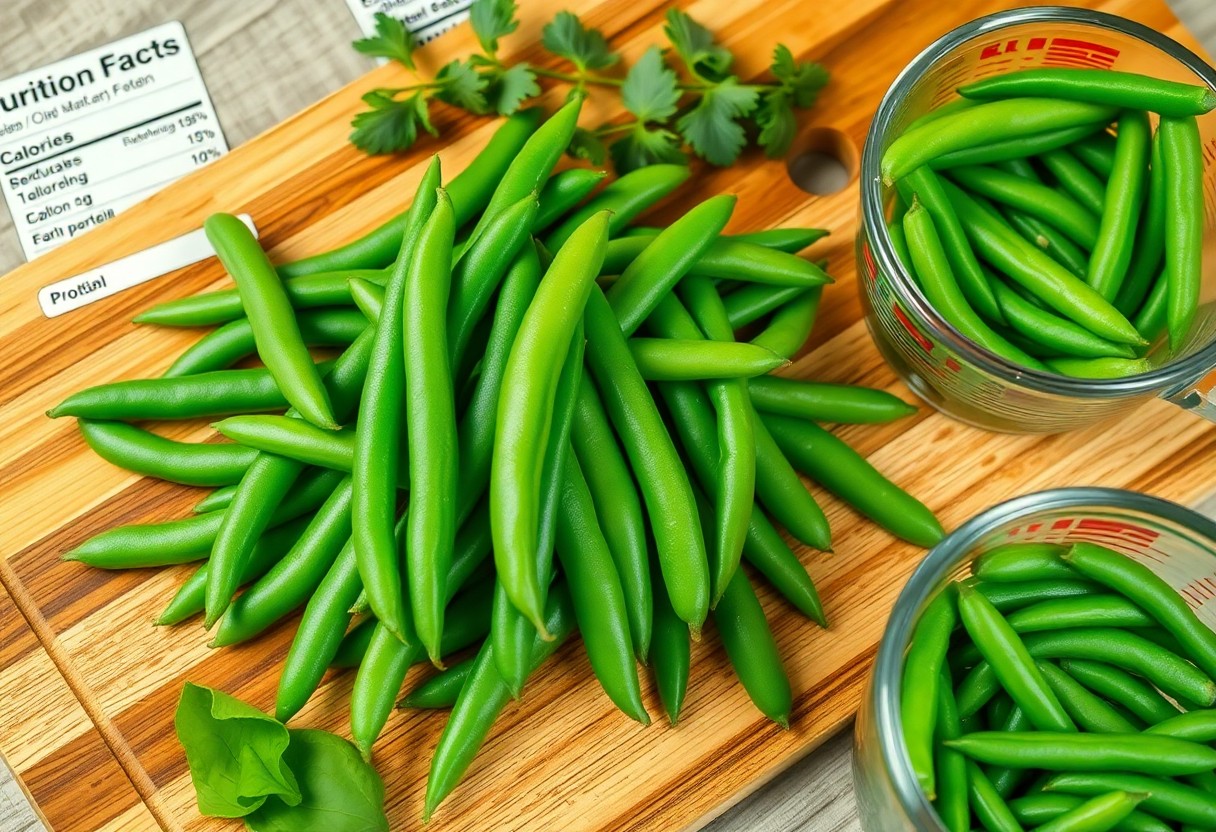
Health Benefits of Green Beans
Incorporating green beans into your diet offers a range of health benefits, from enhancing your overall nutritional intake to supporting specific health goals. Their low-calorie profile, combined with important vitamins and minerals, promotes wellness while complementing various dishes. Regular consumption can contribute to improved heart health, digestive function, and even weight management, making them a valuable addition to your meals.
Antioxidant Properties
Green beans are rich in antioxidants, including flavonoids and carotenoids, which combat oxidative stress in your body. These antioxidants help neutralize free radicals, reducing inflammation and lowering the risk of chronic diseases. By including green beans in your diet, you bolster your body’s defenses against cellular damage, contributing to better overall health.
Role in Weight Management
Green beans can play a significant role in your weight management strategy due to their low calorie and high fiber content. The fiber in green beans promotes a feeling of fullness, reducing the likelihood of overeating. Additionally, their nutritional profile provides important vitamins and minerals without adding excessive calories, making them an ideal choice for calorie-conscious meals.
Including green beans in your meals can effectively support your weight management efforts. A cup of cooked green beans contains only about 44 calories and offers around 4 grams of dietary fiber. This fiber aids digestion and enhances satiety, which can prevent unnecessary snacking. Moreover, their low glycemic index helps maintain stable blood sugar levels, further curbing cravings and promoting mindful eating habits.Green Beans and Digestive Health
Fiber Content
Green beans provide an excellent source of dietary fiber, with approximately 4 grams in one cup. This fiber aids in regulating bowel movements, preventing constipation, and promoting overall digestive health. By including green beans in your diet, you're contributing to your daily fiber intake, which plays a significant role in maintaining gut regularity and enhancing nutrient absorption.
Effects on Gut Health
Including green beans in your meals can positively affect your gut health by fostering a balanced microbiome. The fiber they contain acts as a prebiotic, stimulating the growth of beneficial gut bacteria. This balance can reduce inflammation, improve digestion, and enhance your immune system, ultimately supporting better overall health.
Research shows that high-fiber foods like green beans can significantly impact gut flora composition. A diverse microbiome promotes the production of short-chain fatty acids, which are known to support gut barrier function and reduce the risk of gastrointestinal diseases. Regularly consuming green beans may help prevent issues such as irritable bowel syndrome (IBS) and encourage optimal digestive efficiency by creating a thriving, healthy gut environment. Their rich fiber content not only contributes to a healthy digestive tract but also plays a vital role in maintaining your well-being.
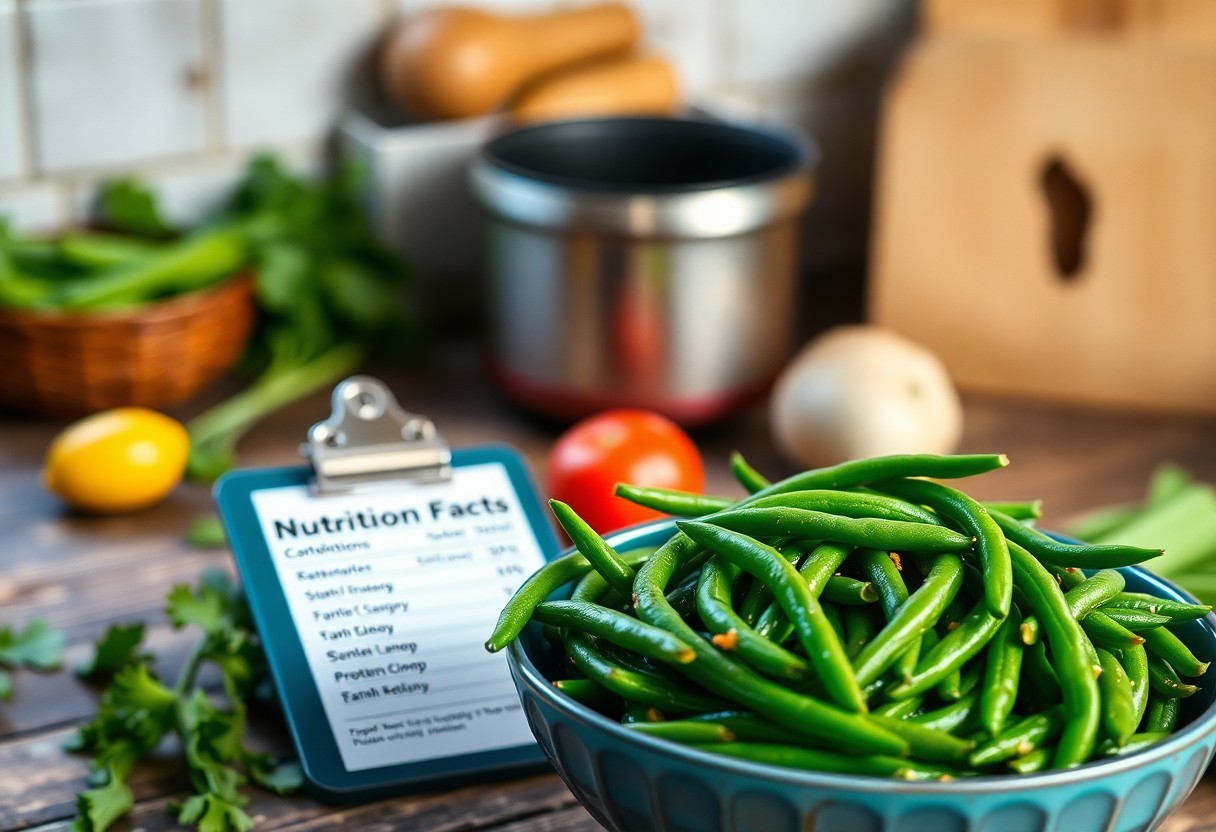
Incorporating Green Beans into Your Diet
Adding green beans to your meals is easy and versatile. You can mix them into salads, stir-fries, or serve as a simple side dish. For more detailed nutrition information, check out Green Beans: Nutrition Facts and Health Benefits. Experimenting with this ingredient can enhance not only your dishes but also your overall health by providing crucial nutrients.
Cooking Methods
Green beans can be enjoyed in a variety of ways, including steaming, roasting, or sautéing. Steaming retains most of their nutrients and crisp texture, while roasting can enhance their natural sweetness and provide a delightful crunch. Sautéing with a splash of olive oil and garlic adds flavor without overwhelming their delicate taste.
Recipe Ideas
Crispy green beans can star in numerous recipes. Toss them in a simple salad, include them in a stir-fry with your favorite protein, or blend them into a flavorful soup. You could also roast them with balsamic vinegar and Parmesan for a nutritious side dish that complements any meal.
Potential Risks and Considerations
While green beans are nutritious, there are potential risks to consider. Allergies and sensitivities can occur in some individuals, resulting in gastrointestinal disturbances or allergic reactions. Additionally, the presence of oxalates can affect those prone to kidney stones, as high oxalate intake may contribute to their formation. For more information on the health benefits and possible risks, check out Green beans: Health benefits, uses, and possible risks.
Allergies and Sensitivities
Some individuals may experience allergies or sensitivities to green beans, which can lead to symptoms such as abdominal pain, nausea, or skin reactions. If you notice adverse effects after consuming green beans, consulting with a healthcare provider is advisable to rule out allergies.
Oxalates and Their Effects
Green beans contain oxalates, which can pose risks for those at risk of kidney stones. High oxalate foods may increase the likelihood of stone formation, particularly in susceptible individuals. Moderation is key if you have a history of kidney issues.
Oxalates, naturally occurring substances found in many fruits and vegetables, can interfere with calcium absorption and contribute to kidney stone development. For those sensitive to oxalates, consuming large amounts of green beans may exacerbate existing conditions. Cooking green beans can reduce oxalate levels, making them a safer choice for individuals concerned about oxalate intake. Balancing your diet with low-oxalate foods alongside green beans can help mitigate potential risks while still enjoying their health benefits.
Conclusion
Conclusively, understanding green beans' nutrition facts reveals their low calorie content and notable protein levels, making them a smart addition to your diet. Rich in vital vitamins, minerals, and antioxidants, green beans offer numerous health benefits, from improved digestion to enhanced heart health. By incorporating them into your meals, you can support your overall well-being while enjoying a versatile vegetable that complements various dishes. Embrace green beans for a nutrient-packed boost in your everyday nutrition.
FAQ
Q: What are the calorie contents of green beans?
A: One cup of raw green beans (about 125 grams) contains approximately 31 calories.
Q: How much protein is in green beans?
A: One cup of green beans provides around 2 grams of protein.
Q: What vitamins and minerals are found in green beans?
A: Green beans are a good source of vitamins A, C, K, and several B vitamins, as well as minerals like iron, calcium, and magnesium.
Q: What health benefits do green beans provide?
A: Green beans support digestive health, provide antioxidants, and may aid in bone health due to their vitamin K content.
Q: Can green beans contribute to weight loss?
A: Yes, due to their low calorie content and high fiber, green beans can be a satisfying food choice for weight loss diets.



0 Comments