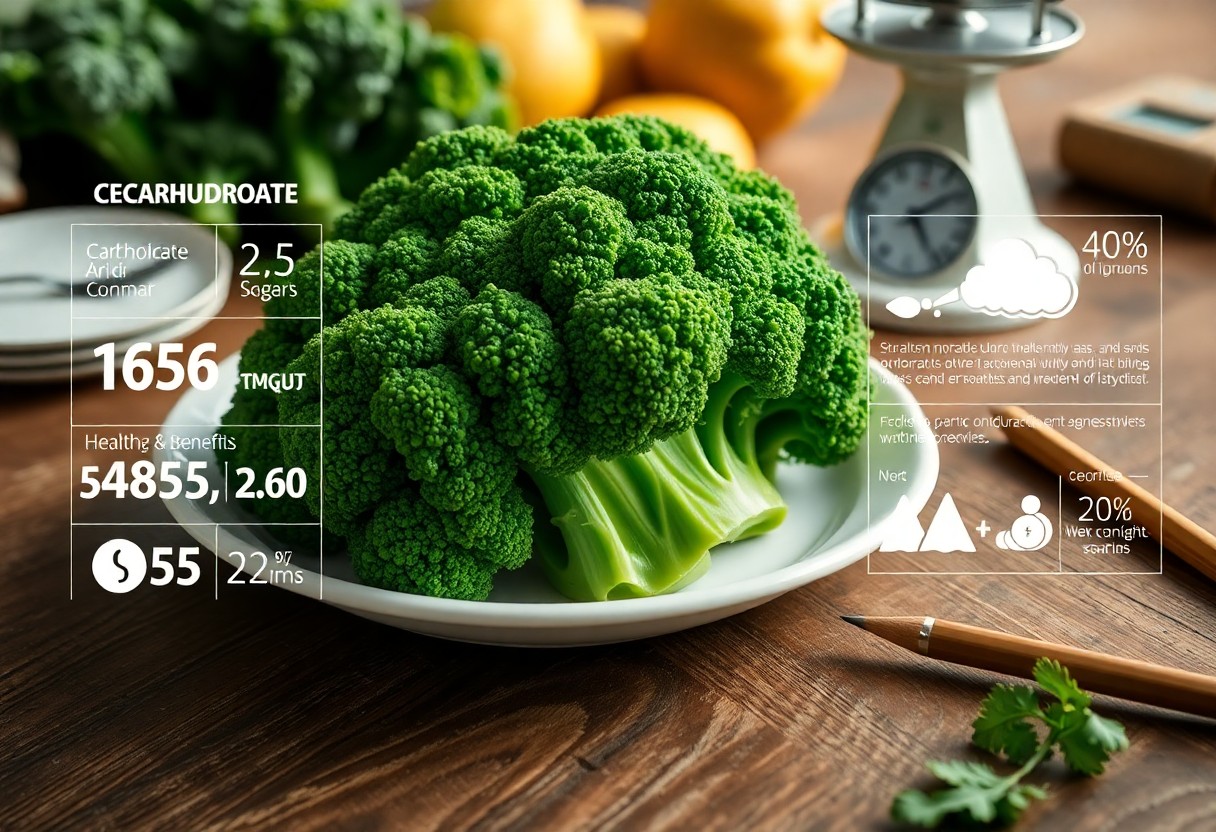
Over the years, broccoli has gained recognition as a nutritional powerhouse, providing a wealth of health benefits. You’ll find that its carbohydrate content is low, making it an excellent choice for those mindful of their diet. In this post, you'll discover the detailed nutritional value of broccoli, explore its various health benefits, and learn smart tips to incorporate it into your meals effectively. Understanding the carbs in broccoli can help you make informed decisions about your dietary choices.
Key Takeaways:
- Broccoli contains low levels of carbohydrates, primarily fiber and natural sugars, making it suitable for low-carb diets.
- Rich in vitamins, minerals, and antioxidants, broccoli's nutritional value supports digestion, immune function, and overall health.
- Incorporating broccoli into meals can promote satiety, aiding weight management and contributing to a balanced diet.
Nutritional Value of Broccoli
Broccoli stands out for its extraordinary nutritional profile, packed with crucial vitamins, minerals, and beneficial compounds. Each serving provides a wealth of nutrients that support overall health, including vitamin C, vitamin K, fiber, and various antioxidants. Broccoli is not only low in calories but also contributes to hydration due to its high water content, making it an ideal addition to any meal focused on nutritional density.
Carbohydrate Content
The carbohydrate content in broccoli is notably low, with only around 6 grams of carbs per 100 grams. This includes about 2.4 grams of dietary fiber, which is crucial for digestive health. The remaining carbohydrates consist of natural sugars, which contribute to the vegetable's mild sweetness. This low-carb profile makes broccoli an excellent choice for those on low-carb diets while still providing vital nutrients.
Vitamins and Minerals
Broccoli is remarkably rich in vitamins and minerals, particularly vitamin C, which offers antioxidant properties, and vitamin K, crucial for bone health and blood clotting. A 100-gram serving provides nearly 150% of your daily vitamin C needs and an impressive amount of folate, potassium, and manganese. These nutrients play crucial roles in cellular function and overall well-being, making broccoli a powerhouse for nutritional support.
In addition to vitamin C and K, broccoli contains several B vitamins, including folate, which is vital for DNA synthesis and repair. Potassium helps regulate blood pressure, while manganese promotes metabolic function. Antioxidants found in broccoli, like sulforaphane and indole-3-carbinol, have been studied for their potential role in reducing the risk of chronic diseases. This combination of vitamins and minerals positions broccoli as a key ally in maintaining a balanced diet and supporting optimal health.
Health Benefits of Broccoli
Broccoli is a powerhouse of nutrients that can significantly impact your health. It's packed with vitamins K and C, fiber, and a variety of antioxidants that support overall wellness. Regular consumption of broccoli may reduce inflammation, lower the risk of chronic diseases, and improve heart health. Additionally, it aids in weight management due to its low calorie content and high nutritional density. For further details, check out All About Broccoli: Nutrition, Health Benefits, How to Use It.
Antioxidant Properties
Loaded with antioxidants like sulforaphane, broccoli helps combat oxidative stress in your body. These compounds neutralize free radicals, reducing cellular damage and potentially lowering your risk of diseases such as cancer. Eating broccoli regularly can enhance your body's natural defense against harmful agents, promoting longevity.
Support for Digestive Health
High in fiber, broccoli supports a healthy digestive system by promoting regular bowel movements and preventing constipation. The fiber content also helps feed the beneficial bacteria in your gut, which can enhance overall digestive function and nutrient absorption.
Inefficient digestion can lead to numerous health issues, and fiber-rich foods like broccoli can be a game changer. A serving of cooked broccoli provides about 5 grams of fiber, helping you achieve the recommended daily intake of 25-30 grams. This not only aids in digestion but also contributes to a feeling of fullness, making it easier to manage your weight. The prebiotic fibers in broccoli feed your gut microbiome, promoting the growth of healthy bacteria and enhancing your immune response, making it an imperative part of your diet.
Carbs in Broccoli vs. Other Vegetables
Broccoli's carbohydrate content stands out when compared to various vegetables. With only about 7 grams of carbs per 100 grams, it is a low-carb option that supports weight management while providing vital nutrients. In contrast, many other vegetables may contain significantly higher carbohydrate levels, making broccoli an excellent choice for those monitoring intake.
Comparison with High-Carb Vegetables
Carb Comparison Table| Vegetable | Carbohydrates (per 100g) |
|---|---|
| Broccoli | 7g |
| Peas | 14g |
| Potato | 17g |
| Carrots | 10g |
Benefits of Low-Carb Vegetables
Low-carb vegetables like broccoli offer numerous benefits for your health and lifestyle. They provide vital nutrients while keeping calorie counts low, supporting weight loss and maintaining stable blood sugar levels. Additionally, these vegetables often contain high amounts of fiber, which aids in digestion and promotes a feeling of fullness, vital for weight management.
Incorporating low-carb vegetables into your meals can enhance your diet significantly. They are typically rich in vitamins, minerals, and antioxidants, which help boost your immune system, reduce inflammation, and support overall well-being. Furthermore, enjoying these vegetables ensures you receive the necessary nutrients without the extra calories and carbs that higher-starch options introduce, making them perfect for low-carb lifestyles or those seeking to improve their dietary quality without feeling deprived.
Incorporating Broccoli into Your Diet
Adding broccoli to your meals enhances both flavor and nutritional value. You can easily incorporate this versatile vegetable into your diet by steaming it for quick side dishes, blending it into smoothies, or using it in salads. Explore Broccoli Microgreens Nutrition: Everything You Need To ... for additional insights on how its younger form can be a smart addition to your meals.
Cooking Methods
Steaming, roasting, and stir-frying are excellent cooking methods to preserve the nutrients in broccoli while enhancing its flavor. Steaming for around 5-7 minutes keeps the vitamins intact, while roasting at high heat for 20-25 minutes brings out a delightful nuttiness. Stir-frying quickly maintains its crispness and provides a flavorful component to any dish.
Meal Ideas
Broccoli can elevate a variety of meals, from simple salads to hearty casseroles. You might enjoy roasted broccoli with garlic and olive oil as a side dish, or blended into creamy soups. Toss it in your pasta or use it as a topping on pizzas for an extra nutrient boost. Don’t overlook broccoli in omelets or frittatas, making for a wholesome breakfast option.
For a quick meal, combine steamed broccoli with quinoa, chickpeas, and your choice of protein for a balanced bowl. Broccoli pesto pasta adds a unique twist to traditional recipes, while broccoli slaw can provide a crunchy topping for tacos. Experiment with these ideas, allowing your creativity to influence how you enjoy this nutritious vegetable.
Smart Diet Tips
Incorporating broccoli into your diet can be simple and enjoyable with these smart tips. Consider the following suggestions to maximize your intake and overall benefits:
- Incorporate broccoli into smoothies for added nutrition.
- Steam or roast to enhance its flavor without losing nutrients.
- Add spices or lemon juice to amplify taste.
- Use it as a tasty addition to salads or wraps.
- Make broccoli a staple side dish for balance in meals.
Thou shall reap the benefits of this nutritional powerhouse.
Portion Control
Understanding portion sizes is key to enjoying broccoli without overdoing it. Aim for a serving size of about one cup of raw broccoli or half a cup when cooked. This ensures you're getting ample nutrients while keeping calorie intake in check. You can mix broccoli with other vegetables to create a colorful and satisfying dish, making it easier to control portions while increasing variety in your meal.
Pairing with Other Foods
Combining broccoli with other foods can enhance both its flavor and nutrient profile. Pair it with proteins like chicken or tofu for a well-rounded meal, or add cheese for a creamy texture that contrasts with its crunchiness. Incorporating healthy fats, like olive oil or avocado, can help with the absorption of fat-soluble vitamins found in broccoli. Foods rich in vitamin C, such as bell peppers or citrus fruits, complement broccoli's nutrition, promoting better absorption of iron and other important minerals.
Common Myths About Carbs
Many misconceptions surround carbohydrates, often leading to unnecessary fear and avoidance of healthy foods. One prevalent myth is that all carbs are bad for you, which oversimplifies the complex role they play in your diet. Whole foods like fruits, vegetables, and whole grains provide crucial nutrients and energy, proving that not all carbohydrates should be categorized negatively.
Misconceptions about Carbohydrates
Believing carbohydrates contribute solely to weight gain is a major misunderstanding. Carbohydrates are the body's primary energy source. When consumed in proper portions, they fuel your daily activities and support metabolic processes, allowing you to maintain a balanced and healthy lifestyle.
The Role of Fiber
Fiber, a type of carbohydrate, offers unique health benefits that differentiate it from other carbohydrates. Found in foods like broccoli, fruits, and whole grains, fiber aids digestion, promotes a feeling of fullness, and helps regulate blood sugar levels, making it an crucial component of your diet.
Fiber plays a critical role in stabilizing blood sugar levels after meals. This helps prevent spikes and crashes that can lead to cravings and overeating. In addition, fiber contributes to your gut health by acting as a prebiotic, feeding beneficial gut bacteria. Foods rich in fiber, such as broccoli, can significantly enhance your overall digestive health by promoting regularity and preventing constipation. Including fiber in your diet not only supports weight management but boosts your overall well-being by reducing the risk of chronic diseases such as diabetes and heart disease.
Conclusion
So, understanding the carbohydrate content in broccoli is necessary for optimizing your diet. This nutritious vegetable offers a low-calorie option packed with vitamins, minerals, and fiber that supports your overall health. By incorporating broccoli into your meals, you can enhance your nutrient intake while managing your carbohydrate consumption effectively. Use these insights to make informed choices that align with your dietary goals, ensuring you reap the full health benefits of this green powerhouse.
FAQ
Q: What is the carb content in broccoli?
A: Broccoli contains approximately 6 grams of carbohydrates per 100 grams. These carbs include dietary fiber and sugars.
Q: What are the health benefits of carbohydrates in broccoli?
A: The carbohydrates in broccoli provide vital energy, support digestive health through fiber, and can help maintain stable blood sugar levels.
Q: How does broccoli compare to other vegetables in terms of carbs?
A: Broccoli has a lower carbohydrate content compared to starchy vegetables like potatoes and corn, making it a favorable choice for low-carb diets.
Q: Can eating broccoli aid in weight management?
A: Yes, the fiber and low carbohydrate content in broccoli can promote satiety, making it easier to control calorie intake and support weight management efforts.
Q: What are some smart diet tips for incorporating broccoli into meals?
A: Steaming or roasting broccoli preserves its nutrients, pairing it with lean proteins enhances meals, and adding it to salads, soups, or stir-fries increases fiber intake while keeping carbs low.



0 Comments